Brief Highlights:
- 🚗 Nokia expands its footprint in the automotive sector by locking in Wi-Fi patent licensing agreements with industry giants Stellantis and Mercedes-Benz.
- 🔬 With over €150 billion invested in R&D, Nokia leverages a powerful patent portfolio essential for WLAN technology in connected vehicles.
- 📶 These deals mark the third and fourth major automotive WLAN licenses this year, showcasing Nokia’s growing influence in vehicle connectivity.
- 🚀 WLAN technology is an unsung hero driving in-car connectivity, enabling everything from streaming to over-the-air updates.
- ⚙️ Automotive companies benefit from new revenue streams and operational efficiencies through this technology’s integration.
The automotive industry’s tech powerhouse, Nokia, is elevating the game with groundbreaking Wi-Fi patent licensing deals. These agreements with Stellantis and Mercedes-Benz signal a definite shift toward smarter, more connected vehicles. At the crossroads of telecom innovation and vehicle technology, Nokia’s advances are shaping the future of mobility like never before.
How Nokia’s Wi-Fi Innovations Are Driving Vehicle Connectivity Forward
The automotive world is no longer just about engines and horsepower. Connectivity sits at the heart of modern driving experiences, and at the forefront of this transformation stands Nokia. The company’s recent licensing agreements with Stellantis and Mercedes-Benz dramatically illustrate its growing stake in wireless local area network (WLAN) tech for cars. These deals represent much more than business wins—they reflect Nokia’s leadership in developing foundational technologies essential to a connected car ecosystem.
Nokia’s story with Wi-Fi is monumental, backed by a massive commitment to research and development shared across decades. With investments exceeding €150 billion since 2000, Nokia’s innovation pipeline has fueled breakthroughs in wireless communication standards, including the IEEE 802.11 WLAN protocols that are standard in vehicle connectivity. By combining internal R&D with strategic patent acquisitions (notably from Huawei in Wi-Fi 7 tech), Nokia has cemented its influence on the future of how vehicles stay online and interactive.
WLAN in cars means more than just internet access. It fuels everything from seamless media streaming and real-time map updates to software downloads without plugging into a garage. Imagine your Jeep or Alfa Romeo receiving over-the-air updates that improve performance or unlock new features safely, all enabled by Nokia’s patented technologies. The convenience for drivers and passengers is evident, yet the business impact for automakers signals a revolution in revenue through subscription-based infotainment and predictive maintenance analytics.
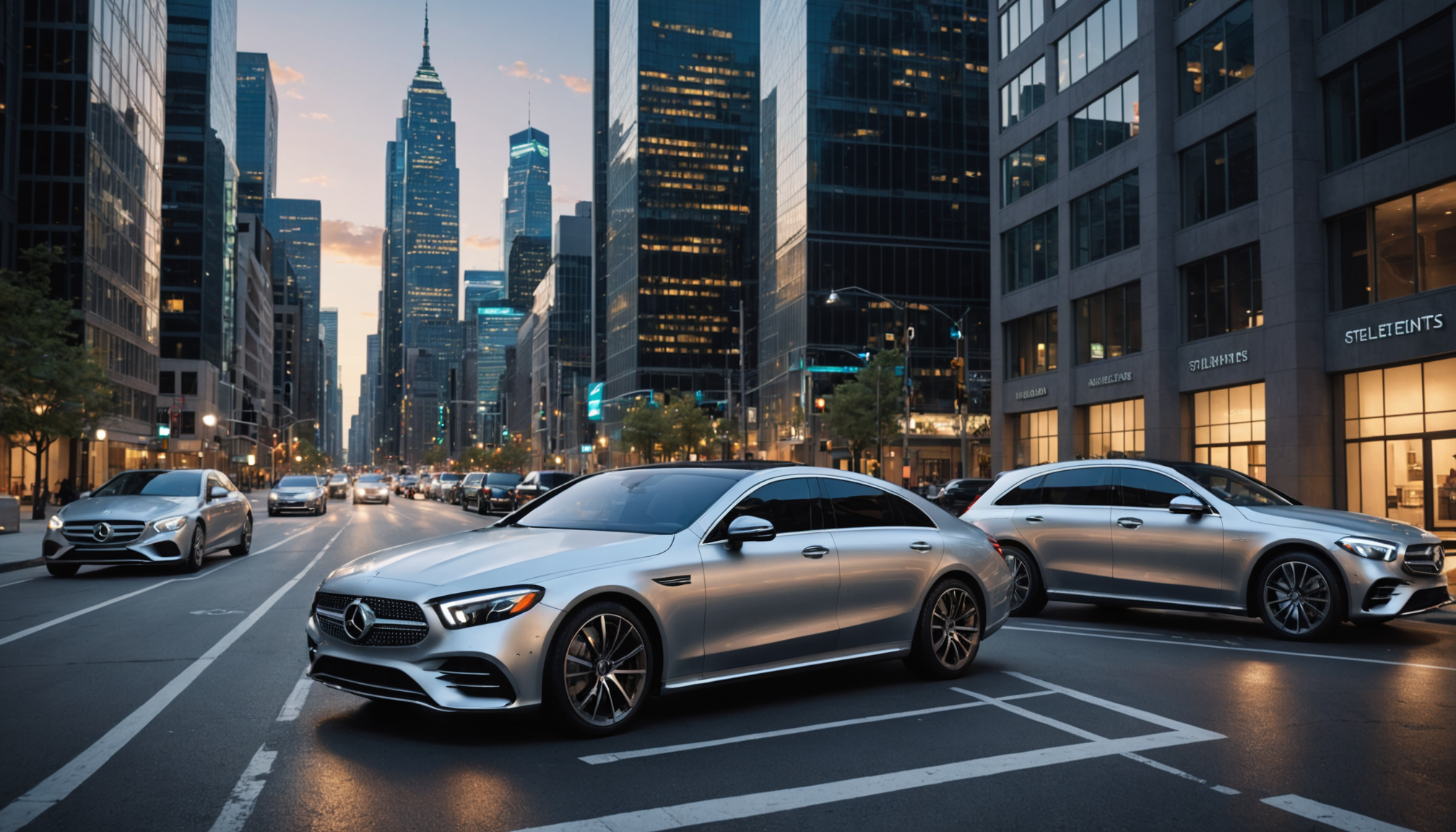
These recent agreements extend Nokia’s existing roster to eight major automakers now benefiting from their WLAN patents. For Stellantis, the deal includes iconic brands like Fiat, Peugeot, and Jeep, showcasing Nokia’s reach across diverse vehicle lineups. Mercedes-Benz’s partnership highlights the premium segment’s push toward advanced connectivity solutions, where performance and tech sophistication blend seamlessly. This momentum is a testament to Nokia’s strategic vision in wireless licensing and patent management.
Exploring The Tangible Benefits of Wi-Fi Connectivity Inside Modern Vehicles
At first glance, in-car Wi-Fi might seem like a mere luxury feature, but its impact runs deeper. For passengers, reliable high-speed internet transforms road trips and commutes into productive or entertainment-filled experiences. This constant connection supports everything from streaming platforms to cloud-synced apps, pushing connected car convenience into everyday life. Drivers enjoy safety and comfort benefits, too, with real-time traffic updates and integration with smart city infrastructures becoming a reality.
The automotive side sees this technology as a new frontier for innovation and operational efficiency. Manufacturers leverage WLAN connectivity to deliver over-the-air (OTA) updates—crucial for patching software vulnerabilities, upgrading navigation systems, and rolling out feature improvements without dealership visits. Predictive maintenance based on real-time diagnostics sends alerts before minor issues escalate, reducing downtime and repair costs. Moreover, automakers open new revenue avenues with digital services tied to subscription models, all buttressed by Nokia’s patented WLAN tech.
Consider this list of key uses enhanced by Wi-Fi in vehicles:
- 🚙 Streaming entertainment and video for passengers
- 📡 Over-the-air software and map updates for all onboard systems
- ⚙️ Predictive diagnostics cutting down on maintenance surprises
- 💳 Unlocking subscription-based services such as premium radio or navigation aids
- 🌐 Supporting V2X (vehicle-to-everything) communications for smarter driving
Not only does this transform user experience, but it also allows automobile companies to create personalized, data-driven offerings. The mutual benefits between consumers and manufacturers embody why Nokia is doubling down on WLAN technology licensing.
Decoding Nokia’s Patent Licensing Strategy in the Automotive Landscape
In the high-stakes battleground of wireless innovation, having a robust patent portfolio isn’t just an advantage—it’s the lifeblood. Nokia leads the pack with essential patents that underpin wireless standards like IEEE 802.11 WLAN. These patents give Nokia leverage to license its technology and forge partnerships with carmakers who want to embed reliable, cutting-edge Wi-Fi into their models.
The agreements with Stellantis and Mercedes-Benz are strategic milestones in Nokia’s ongoing automotive licensing campaign. Both deals are royalty-bearing, underscoring the considerable value these patents provide for vehicle connectivity. By fostering amicable agreements, Nokia ensures a stable innovation environment, avoiding protracted legal battles that have marred other players in the tech space. This approach matches Nokia’s long-term vision to maintain and grow its wireless patent portfolio to the benefit of the entire automotive ecosystem.
At a glance, Nokia’s licensing footprint in automotive WLAN looks like this:
| 🚗 Automaker | 📅 Date Signed | 🌐 Scope of Licensing | 💰 Type of Agreement |
|---|---|---|---|
| Mercedes-Benz | January 2025 | WLAN tech for vehicle connectivity | Royalty-bearing patent license |
| Stellantis | March 2025 | Wireless LAN across multiple Stellantis brands (Jeep, Fiat, etc.) | Royalty-bearing patent license |
| Other 6 Major Automakers | Various | Wi-Fi tech licensing for vehicles | Royalty-bearing agreements |
Beyond contracts, Nokia actively expands its patent assets by acquiring complementary technologies. The recent addition of Wi-Fi 7 patents from Huawei fortifies their position at the forefront of wireless innovation. This strategic portfolio growth enables Nokia to support emerging automotive technology like automated driving and telematics with robust connectivity solutions.
WLAN Licensing Amplifies Innovation Trajectories for Connected Vehicles
Nokia’s comprehensive patent strategy plays a pivotal role in evolving connected car tech. By anchoring itself in wireless standards essential patents (SEPs), Nokia controls vital gateways for vehicle manufacturers aiming to deliver cutting-edge features. This approach safeguards Nokia’s contributions and invites collaboration rather than conflict as the industry transitions to smarter connectivity infrastructures.
Manufacturers stepping into the 5G and beyond era rely on WLAN tech to handle data-intensive applications. Nokia’s strategy ensures these automakers get access to proven, patent-protected technologies while providing Nokia with sustainable returns that fuel further R&D investments. Thus, the ecosystem spins in a positive feedback loop where innovation and business interests align effectively.
How Connectivity Is Redefining Consumer Expectations In Automobiles
The old notion of a car as merely a transportation tool is shifting profoundly. Today’s drivers expect their vehicles to be extensions of their digital lives, a trend driving automakers to integrate more sophisticated connectivity technologies. Nokia, with its extensive patent portfolio in Wi-Fi, is a prime enabler of this future.
Consumers now anticipate features like uninterrupted in-car internet for streaming, voice-activated controls powered by smart assistants, and real-time traffic data feeds. These expectations map directly to WLAN capabilities patent-protected by Nokia. The stakes are high: falling short on connectivity means losing consumer appeal in a fiercely competitive market where tech edge frequently dictates brand loyalty.
Automakers benefit by leveraging these consumer demands into strategic shifts, introducing subscription models and data-enabled services that keep vehicles and drivers in constant communication. Nokia’s patents guarantee these innovations have a legal framework ensuring fair use, benefiting both manufacturers and users.
- 📱 Enhanced in-car infotainment to rival mobile devices
- 🔒 Secure software updates keeping vehicle systems safeguarded
- 🚦 Real-time navigation improvements via high-speed Wi-Fi links
- 🛠 Predictive analytics enhancing vehicle maintenance
- 🎯 Customizable digital services creating personalized driving experiences
Consumer Focus Drives Rapid Adoption of WLAN in Vehicles
The rapid pace of consumer tech adoption in vehicles pushes automakers to keep pace or risk obsolescence. With Nokia’s comprehensive licensing portfolio, car makers can access reliable Wi-Fi tech that meets these rising expectations. This synergy between tech patents and consumer needs accelerates the rollout of smarter, more connected vehicles everywhere.
The Road Ahead: Sustaining Innovation Through Strategic Licensing and Partnership
Looking forward, Nokia is doubling down on its commitment to enable future mobility by expanding its patent licensing footprint. Partnership with Stellantis and Mercedes-Benz exemplifies Nokia’s preferred approach—collaboration over litigation. By settling into amicable agreements, Nokia creates a stable platform for ongoing innovation, ensuring all industry players have access to critical wireless technologies.
This approach not only decreases legal risks but also fuels a healthy ecosystem where automakers can focus on building next-gen vehicles equipped with advanced connectivity features and autonomous systems. Nokia’s investments in Wi-Fi patents, including the latest Wi-Fi 7 tech, signal a broad vision ready for the era of smart cities and fully connected highways.
For stakeholders in the automotive and telecommunications industries, these developments are crucial milestones. Efficient patent licensing ensures that groundbreaking connectivity innovations reach the road while maintaining a fair and balanced business environment. It is clear that Nokia’s role as a wireless technology pioneer remains pivotal for the future drive toward smarter, safer, and more connected mobility experiences worldwide. 🚀

My Name Is Said I am a dedicated blogger sharing the latest trending blogs from the USA, covering news, updates, and informative stories. My focus is on delivering accurate, engaging, and timely content for readers worldwide.