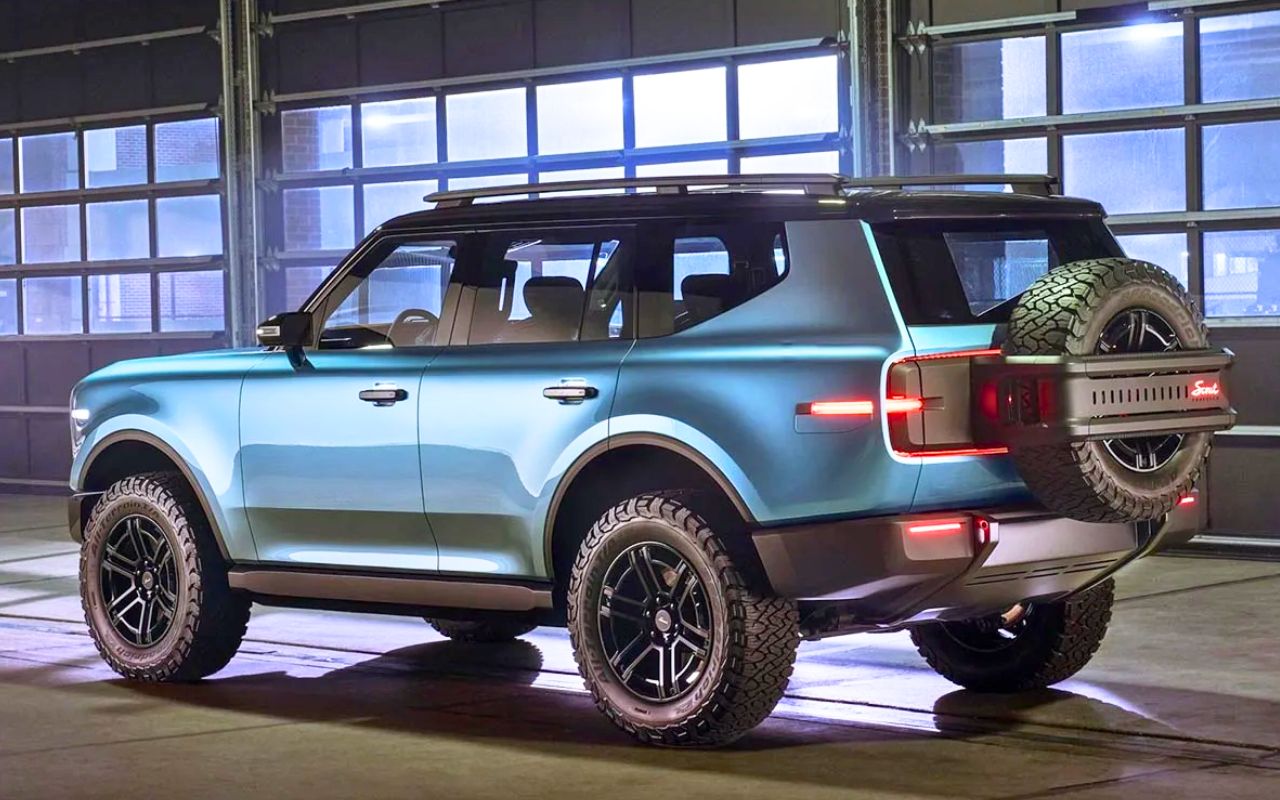
Audi’s “real” 4×4 experiment didn’t just hint at a new model it signaled a hard pivot toward body-on-frame toughness, electrified muscle, and a very American production plan.
For years, Audi’s off-road reputation lived inside glossy SUVs and the magic word quattro. Then the company’s strategy shifted, and a different kind of vehicle started taking shape one built for ruts, rocks, towing, and long-distance dirt. The twist was that the hardware wasn’t going to be born in Ingolstadt, but in the United States, using a platform philosophy Audi had largely avoided. It wasn’t just a new product. It looked like a new argument about what “premium” could mean when the pavement ended.
The moment polished SUVs hit a credibility wall
Audi had spent decades perfecting fast, stable, road-first all-wheel drive. Yet when the market’s appetite swung back toward “authentic” off-roaders machines people actually trusted in mud, sand, and snow Audi’s lineup had a credibility gap. The brand’s SUVs could handle weather and light trails, sure, but they weren’t built like the icons people name-drop when they mean serious off-road: Land Cruiser, Defender, G-Class. The reported plan to go body-on-frame and build in the U.S. market looked like Audi admitting that software and luxury trim weren’t enough on their own. The foundation had to change. And that was where Scout Motors entered the conversation. Under the Volkswagen Group umbrella, Scout had been positioned to develop rugged, modern off-road vehicles for North America exactly the kind of under-the-skin architecture Audi didn’t already have in-house. Audi could keep its premium identity and interior polish while borrowing a truck-style backbone that buyers instantly understood.
A brand built on quattro finally got serious about dirt
Audi’s SUV era had been massive, profitable, and depending on who you asked just a little too safe. The company’s core off-road story had long been quattro, traction, and winter-road dominance. It worked brilliantly for highways, rain-soaked commutes, and ski trips. But the “real” 4×4 crowd used a different yardstick: frame strength, low-speed control, durability under load, and the kind of geometry that mattered when the trail got ugly. That was why this reported pivot mattered. A separate frame design wasn’t a styling move; it was a mechanical statement. Body-on-frame vehicles tended to take hits better, tow more confidently, and tolerate repeated stress in a way that many unibody crossovers simply weren’t designed for. For Audi, even entertaining that architecture suggested the company had been chasing something bigger than another Q-model refresh. The strategy also matched the reality of North America: buyers who wanted a premium badge but also wanted to tow boats, haul gear, and not panic when the asphalt disappeared. Audi’s traditional formula refined road manners plus traction had been strong, but it hadn’t been a credibility weapon. This project looked like it was meant to be one.
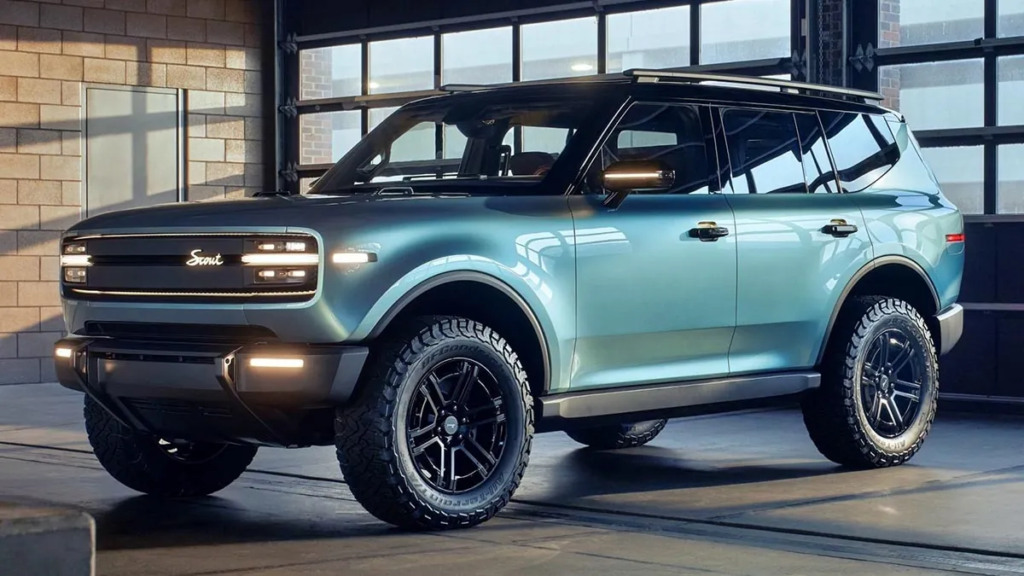
The scout connection looked like a shortcut and a power play
Scout’s role wasn’t just “helping build a car.” Scout had been revived inside Volkswagen Group specifically to create modern off-road vehicles in the U.S., with a rugged mission and an EV-first mindset. That made it a natural host for the kind of platform Audi needed, especially if Audi wanted to avoid spending years and billions developing a dedicated ladder-frame architecture from scratch. This was the quiet genius of the approach: Audi could piggyback on a group-level bet, then layer on what it did best materials, sound isolation, interface design, and brand-level polish without having to pretend a unibody luxury SUV was suddenly a Land Cruiser rival. It would have been a platform story first, an Audi story second, and that order mattered. It also would have helped Audi politically and financially. Building in the U.S. meant fewer headaches around shipping and tariffs, and it put production closer to the customers most likely to buy this kind of vehicle. Scout’s South Carolina factory plans had already been public, and Audi aligning with a local build narrative would have made the pitch cleaner: American-built toughness with German-luxury execution.
Body-on-frame changed everything buyers could expect
For the average buyer, “body-on-frame” sounded like a technical trivia note. For anyone who actually used a vehicle off-road or worked it hard body-on-frame was shorthand for a different kind of product. A ladder-frame platform typically meant stronger mounting points, a more robust structure under load, and a layout that could support serious towing and recovery hardware. It also made it easier to package off-road fundamentals: better underbody protection, suspension travel, and the kind of clearance and angles that determined whether a vehicle glided over obstacles or scraped its way through. The trade-offs were real, too. Body-on-frame vehicles could feel heavier, less razor-sharp on pavement, and more expensive to engineer for quiet refinement. That was exactly why Audi’s interest was intriguing: it implied Audi believed it could add enough comfort and tech to make a frame-based vehicle feel premium without neutering its purpose. This was also where electrification could help. Electric motors delivered instant low-speed torque, which was perfect for crawling and controlled climbs. Software could manage traction with ridiculous precision. In theory, an Audi-branded off-road EV could have delivered a very modern kind of 4×4 competence less about roaring engines and more about torque, control, and repeatable capability.
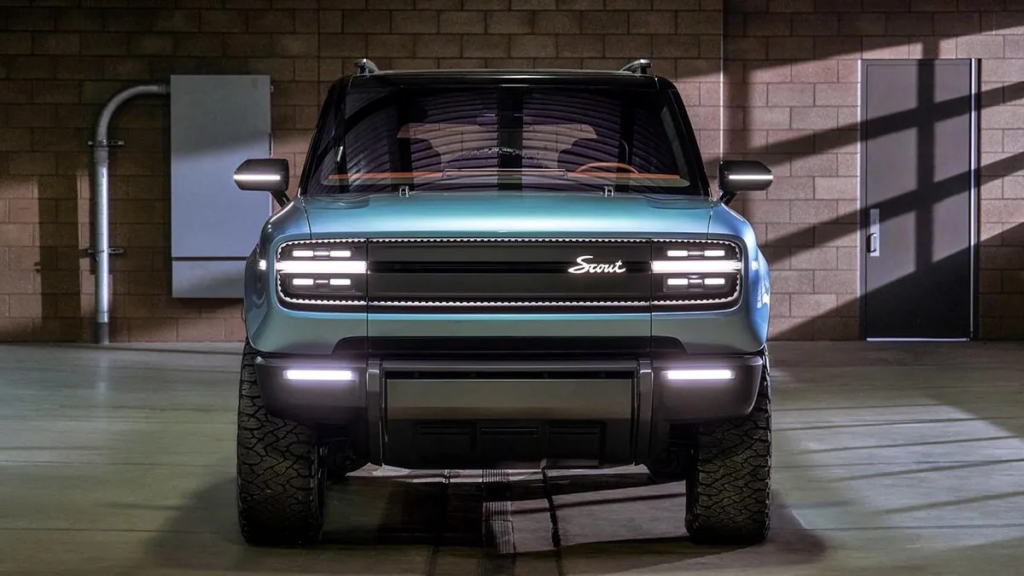
Electrified power didn’t have to mean fragile or limited
The rumored plan leaned on electrification either a full battery-electric setup or some form of plug-in hybrid or range-extended configuration. That mattered because off-roaders had two big anxieties about EVs: range anxiety and durability. Audi couldn’t afford to launch a rugged flagship that felt delicate or short-legged. Scout’s early talk around range and capability had painted a picture of a serious product. Numbers floating around in coverage included range figures above roughly 300 miles (about 480 km) and towing capacity around 5,950 lbs (about 2.7 metric tons). Audi didn’t need those exact figures to be true to make the concept viable, but it did need the end product to land in that neighborhood. A battery-electric version could have used a dual-motor layout one motor per axle for natural all-wheel drive. A range-extender or plug-in hybrid variant could have targeted buyers who routinely drove long distances into remote areas. Either way, the goal would have been the same: keep the off-road promise without turning the vehicle into a niche science project. Audi also would have used software to make the experience feel premium. Not gimmicks real benefits: smart traction mapping, adaptive ride modes, and interfaces that helped the driver understand what the vehicle was doing on uneven surfaces. The challenge would have been doing it without overcomplicating the basics. Hardcore buyers didn’t want an app to replace capability. They wanted capability, then convenience.
The north american build plan was the most telling detail
The most revealing part of the story was where the vehicle was expected to be built. Audi had long been global, but its image still leaned heavily European. A U.S.-built Audi off-roader would have been a statement that the brand was chasing American preferences head-on rather than exporting a European idea of adventure. Scout’s planned factory in Blythewood, South Carolina had been discussed publicly as a major investment, with production targeted around 2027. That timeline lined up neatly with the idea of an Audi-branded derivative arriving in the late-2020s window. It also helped explain why Audi would do this at all: time-to-market. Instead of waiting for an internal platform cycle, Audi could ride the wave of Scout’s program and arrive with a premium alternative while the segment was still booming. And it would have landed just as competitors were also refreshing their icons. That timing mattered. Off-road vehicles weren’t just products; they were identity statements. Audi didn’t want to show up late and get laughed out of the campfire circle. Below is the kind of schedule that had been implied by the way Scout and late-2020s product planning fit together:
| Milestone | What It Likely Covered | When It Was Expected |
| Scout factory buildout | Facility ramp + supplier base | 2025–2027 |
| Scout production start | First customer vehicles | ~2027 |
| Audi reveal window | Concept/preview or early prototype | Late 2026–2027 |
| Audi launch window | First deliveries in volume | 2027–2028 (or early 2029) |
This wasn’t a promise more like a plausible map. But it showed why the U.S. manufacturing piece was so important: it made the whole thing feasible on a realistic timetable.
Why Audi’s bet could have pressured the old kings
The off-road luxury segment had long been ruled by established legends. The G-Class had brand gravity and history. The Land Cruiser had a reputation for durability bordering on mythology. The Defender had reinvented itself without losing its mystique. Audi didn’t have that kind of off-road heritage at retail scale. So Audi’s only way in was to change the conversation: deliver something that felt modern, premium, and genuinely capable without pretending it was a nostalgic icon. A new Audi could have pitched itself as the off-road vehicle for people who loved comfort, wanted real ability, and didn’t care about tradition as much as execution. Electrification could have been the wedge. A quiet, brutally controlled electric off-roader, if done right it could have made older designs feel dated, especially in urban areas where silent operation and smoothness mattered. Audi’s strength had always been turning engineering into a polished experience. If the platform truly delivered, Audi could have forced competitors to respond not just with more horsepower, but with better software, better efficiency, and better day-to-day livability. At the same time, Audi would have had to avoid the common trap: making an off-road vehicle that looked tough but was fundamentally tuned for the mall parking lot. The market had become ruthless about authenticity. Buyers could smell a costume.
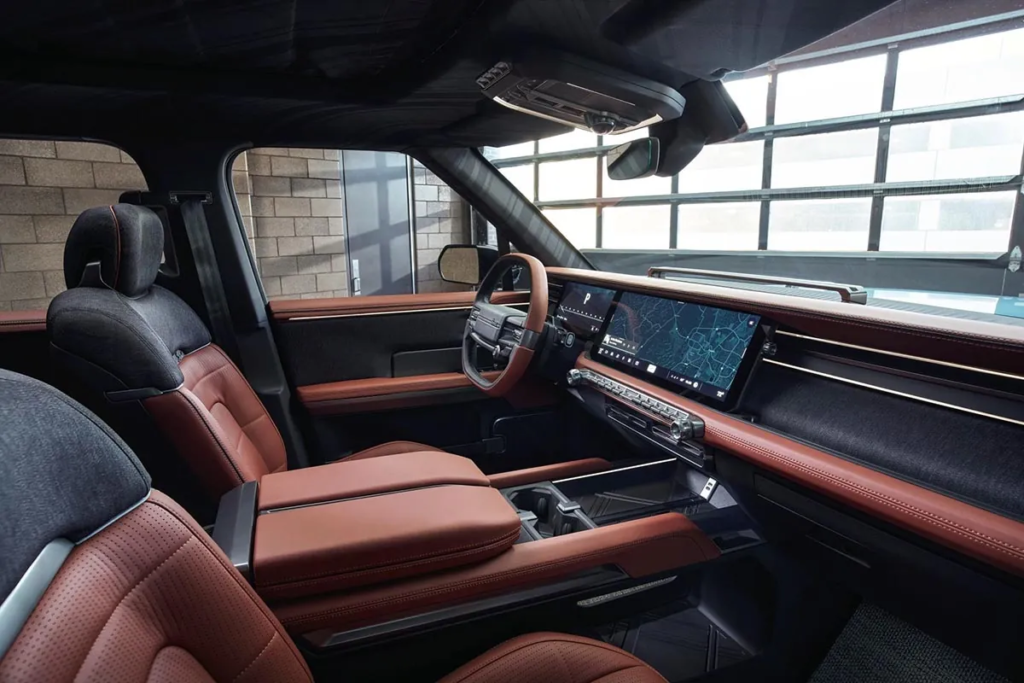
What this move really said about Audi’s future
This wasn’t just an off-road story. It looked like a strategic admission that the premium market had shifted. Luxury wasn’t only leather and screens anymore; it was also the confidence to go anywhere, tow anything, and not worry about breaking expensive hardware. Audi’s reported alignment with Scout suggested the company had been willing to embrace a different kind of premium: one built around capability, durability, and a more American style of utility. If that vehicle had made it to market as envisioned, it would have expanded Audi’s identity in a way no Q7 or Q8 ever could. It also hinted at a broader industry lesson: even brands known for road performance had started chasing the halo effect of “real” off-road machines. Not because everyone went rock crawling but because the idea of unstoppable mobility sold incredibly well, especially when wrapped in comfort and high-end tech.

My Name Is Said I am a dedicated blogger sharing the latest trending blogs from the USA, covering news, updates, and informative stories. My focus is on delivering accurate, engaging, and timely content for readers worldwide.