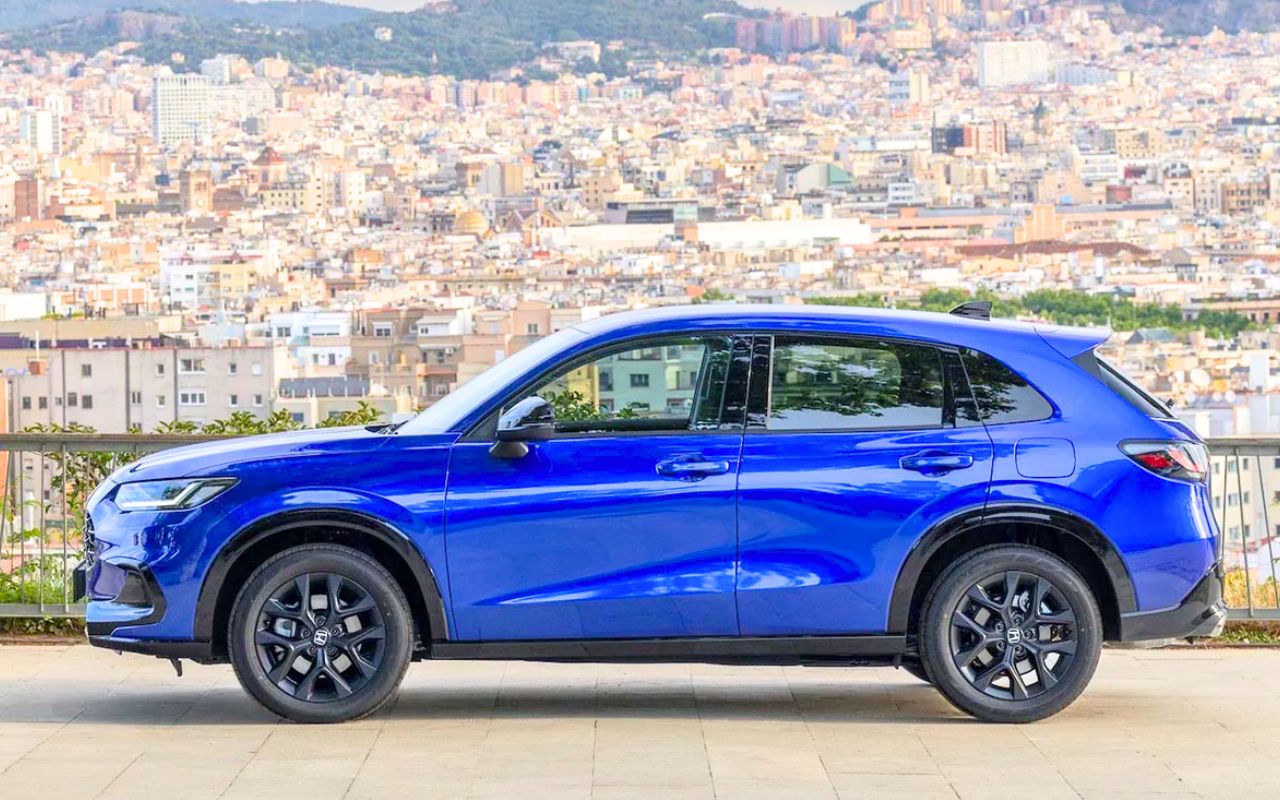
The Honda ZR-V looked like the sensible RAV4 rival France never asked for: proven hybrid tech, real-world efficiency, and road manners that felt unusually polished, until its premium pricing made buyers hesitate.
For a while, the Honda ZR-V e:HEV played the quiet card in France: no flashy gimmicks, no plug-in drama, just a simple hybrid that behaved like it had been tuned by adults. It delivered strong daily comfort, respectable pace, and a measured appetite for fuel that made it easy to live with. Yet in a market obsessed with perceived value, its sticker numbers pushed it into the crosshairs of bigger-name rivals. That tension, great engineering versus awkward pricing, defined the ZR-V’s entire story.
A low-drama hybrid that was built for real driving
Honda had positioned the ZR-V right where European buyers actually shopped: the compact family crossover class, where Toyota RAV4, Renault Austral, and Hyundai Tucson set the pace. The ZR-V didn’t chase extremes. It aimed for the middle lane: comfortable, efficient, and calm at speed, the kind of daily SUV you could rack up kilometers in without thinking about it. What surprised people who drove it was how “un-SUV” it felt dynamically. The ZR-V carried itself like a raised hatch or wagon, not a top-heavy barge. Honda’s chassis tuning delivered clean steering, stable damping, and a composed ride that stayed tidy on broken secondary roads, the exact conditions that made France’s mix of city traffic and départementales so punishing.
Why the ZR-V’s shape mattered more than its badge
The styling helped more than Honda probably admitted. The ZR-V looked less like a bulky off-roader and more like a streamlined commuter with extra clearance, which made it easier to place in tight streets and parking structures. That “tall sedan” vibe translated into a more natural driving posture and fewer awkward blind-spot moments, especially compared with chunkier rivals chasing the adventure aesthetic. In day-to-day use, the ZR-V also benefited from being a no-plug hybrid. It avoided the charging homework that many owners never fully embraced with PHEVs. You just drove it. In France’s increasingly strict urban rules, the ZR-V’s hybrid setup and clean classification also kept it relevant for city access, even as purely gasoline SUVs started to feel like bureaucratic liabilities.
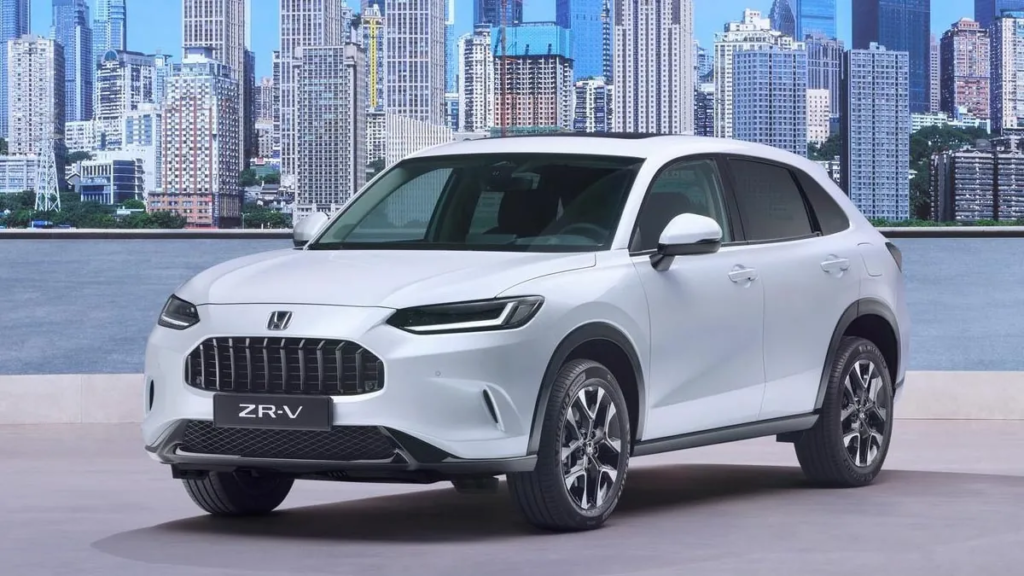
The powertrain was simple on purpose, and it worked
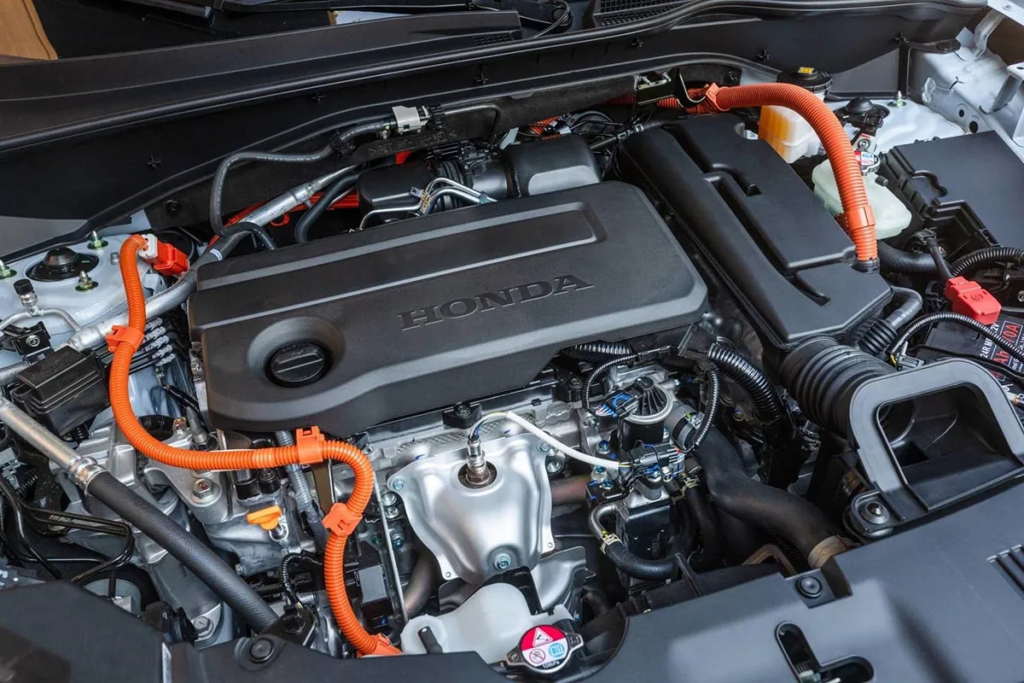
Under the hood, Honda’s 2.0-liter e:HEV system delivered 184 hp, and it behaved like a grown-up solution rather than a tech demo. The system leaned heavily on electric drive in the situations where hybrids actually shine, then blended in the gasoline engine when cruising demanded it. The result was smooth, predictable, and far less annoying than older hybrids that sounded like they were constantly negotiating with themselves. Honda claimed around 5.7 L/100 km, which translated to roughly 41 mpg (US), a strong number for a family crossover with real road presence. And it didn’t achieve that by turning the car into a slow appliance. It still moved, with a 0 to 100 km/h run around 7.9 seconds, enough to merge and pass without making it a plan-and-pray event.
On the road, it felt more “engineered” than most rivals
Here’s where Honda quietly flexed. The ZR-V didn’t just chase efficiency; it felt sorted. The cabin remained stable over undulations, the steering stayed consistent, and the overall tuning avoided that floaty, disconnected feeling that plagued plenty of hybrids built mainly for test cycles. Even at highway speed, it kept its composure, and the noise levels stayed respectable for the class. The transmission behavior also mattered. Honda’s system was often described as CVT-like, but the real point was that it stayed smooth under load and didn’t constantly hunt or surge. In traffic, it felt easy. On faster roads, it felt confident. That balance made the ZR-V a refined hybrid rather than just a fuel-saving trick.
Inside, Honda chose usability over flash
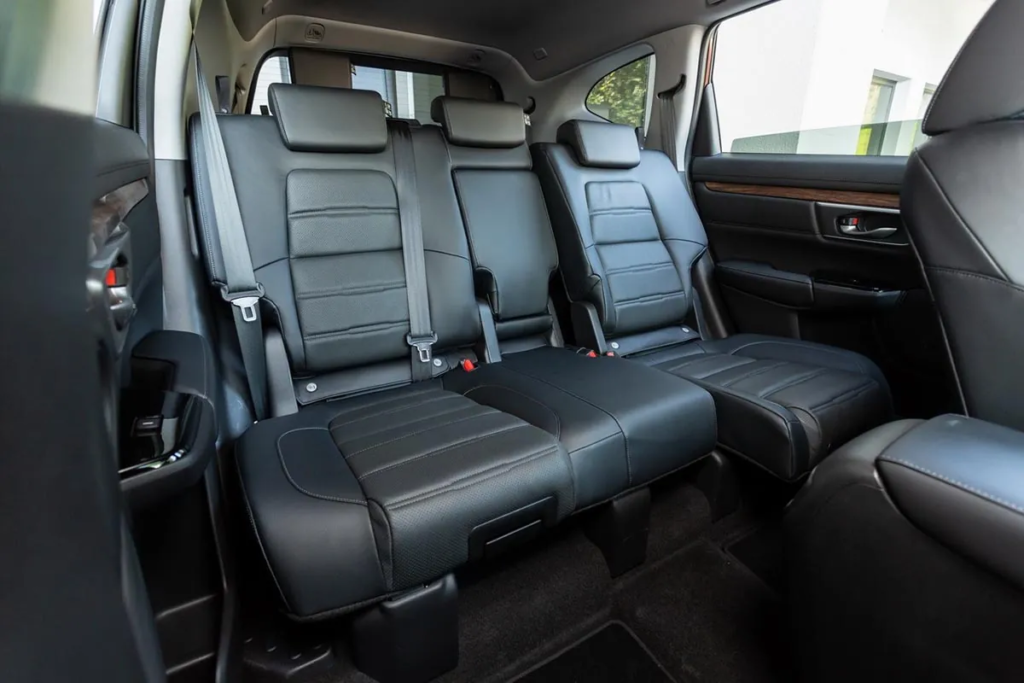
The cabin design stayed restrained, but it generally landed where it counted: visibility, ergonomics, and controls that didn’t require a tutorial. The tech stack looked modern enough, with a clear digital cluster and a central screen that handled the essentials. Honda didn’t try to replace every button with a touchscreen mood board, which made daily use less irritating. Front-seat comfort was one of the ZR-V’s underrated wins. Support felt right for longer drives, and the driving position landed naturally. In back, space worked well for two adults, though the center position remained the usual compromise. Overall, the ZR-V delivered solid materials, clean ergonomics, and an interior that aged well precisely because it didn’t chase trend-of-the-month design.
Practicality was where the ZR-V gave up ground
The weak point was cargo space. Honda listed about 380 liters of trunk volume, roughly 13.4 cubic feet, which sat noticeably behind some segment leaders. For a family doing strollers, sports bags, and weekend runs, that gap wasn’t theoretical. You felt it. The opening and load height were friendly, but raw volume still mattered when rivals offered significantly more room. Honda also skipped some of its own clever tricks. Certain models in Honda’s orbit had featured more flexible rear-seat solutions, but the ZR-V kept things conventional. That wasn’t a disaster, but in a market where buyers compared spec sheets like they were negotiating a mortgage, it gave competitors another angle to attack.
The pricing was the real problem, not the car
The ZR-V’s biggest fight wasn’t against the RAV4 on the road; it was against the spreadsheet at the dealership. In France, it had started around €37,950 and climbed to roughly €49,100 in higher trims. Using a mid-December 2025 exchange rate of about $1.17 per €1, that worked out to around $44,300 up to $57,300. Those numbers pushed it into a zone where buyers expected either more space, more brand pull, or more drivetrain bragging rights. Here’s the key timeline and pricing context in one place, because this is where the ZR-V’s narrative tightened:
| Item | What Was Reported | Why It Mattered |
| Market positioning | Compact hybrid SUV | Fought RAV4-class rivals head-on |
| Output | 184 hp | Enough daily punch without drama |
| Consumption | 5.7 L/100 km (about 41 mpg US) | Strong efficiency story |
| 0 to 100 km/h | 7.9 seconds | Not slow, just quietly quick |
| Trunk volume | 380 L (about 13.4 cu ft) | A real practicality drawback |
| France pricing | €37,950 to €49,100 (about $44,300 to $57,300) | Pricing pressure became the headline |
So yes: the ZR-V looked like it “should” have been a hit. But it lived in a country where value perception often beat engineering nuance. And once you priced it near or above competitors with stronger resale reputations and more cabin space, Honda’s excellent execution started to feel like a luxury option in disguise.

My Name Is Said I am a dedicated blogger sharing the latest trending blogs from the USA, covering news, updates, and informative stories. My focus is on delivering accurate, engaging, and timely content for readers worldwide.