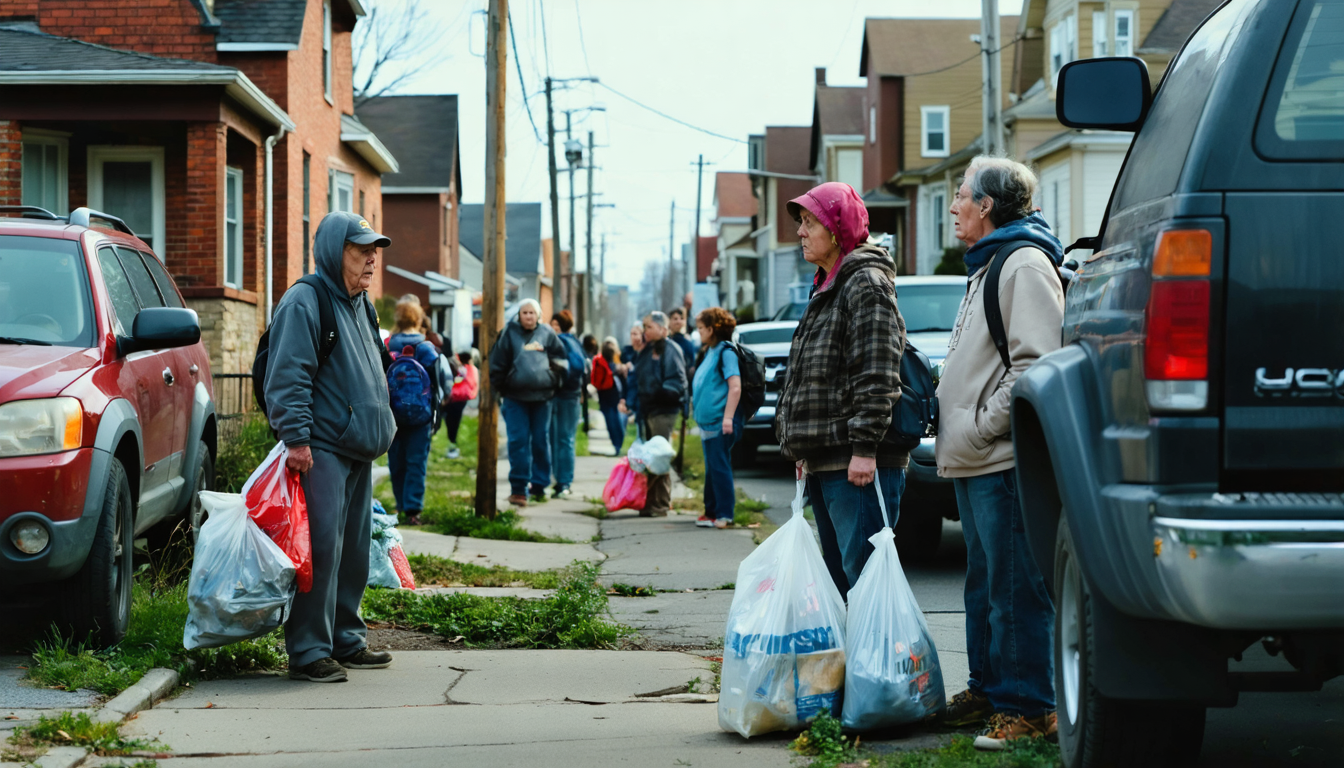
Federal Policy Shock Sends Over 10,000 Ohio Residents Toward Homelessness Crisis
The recent overhaul in federal housing policy dramatically cuts funding available for homeless support programs, thrusting thousands of Ohioans back into the streets. This shift threatens the stability of permanent housing projects and undermines years of progress against the homelessness epidemic.
Ohio’s fragile housing safety net now faces unprecedented pressure as newly imposed federal rules slash funding for permanent housing support. Advocates warn of a surge in homelessness amid rising eviction risks and widening gaps in social services, potentially affecting over 10,000 vulnerable individuals statewide. Alongside these challenges, the broader national landscape shows a substantial uptick in housing insecurity, signaling a deepening affordable housing crisis.
The Hidden Costs of Federal Funding Restrictions
The recent directive from the U.S. Department of Housing and Urban Development (HUD) caps funding for permanent housing programs at 30% of a community’s Continuum of Care (CoC) grant, down sharply from an existing 87% in Ohio. This radical decrease threatens to wipe out approximately $80 million in funding for programs supporting formerly homeless households.
Such cuts jeopardize housing stability for over 10,000 Ohioans who rely on these programs, with a ripple effect across social services aimed at sustaining housing and preventing eviction. This policy move runs counter to the increasing demand for affordable housing, especially in cities like Columbus where eviction pressures and rent burdens have escalated.
- Permanent supportive housing, crucial for people with disabilities and chronic homelessness, faces severe downsizing.
- Rapid rehousing initiatives—enabling swift movement from homelessness back into stable housing—are at risk.
- Transitional and youth housing programs may see funding cuts, stripping vulnerable populations of necessary safe environments.
- Street outreach and supportive services that provide ongoing assistance to maintain housing stability are imperiled.
| Program Type | Current Funding % of CoC Grant | New Funding Cap % | Impact on Ohio Funding (Approx.) |
|---|---|---|---|
| Permanent Supportive Housing | 87% | 30% | $80 million reduction |
| Rapid Rehousing | Included in 87% | Included in 30% | Significant cuts expected |
| Supported Transitional Housing | Included in 87% | Included in 30% | Funding decreases |
HUD expects affected programs to adjust abruptly by January 2026, with funding announcements slated for May 2026, putting service providers under enormous transition pressure within a short timeframe.
A Growing Crisis Unfolding in Ohio’s Urban and Rural Communities
Recent statistics reflect a concerning trend: homelessness in Ohio increased by 3% last year, reaching nearly 11,800 people, while statewide, almost 80% of those individuals were sheltered. Franklin County alone saw a 7.4% jump in persons experiencing homelessness, with 2,556 identified in the recent Point-in-Time Count.
This surge complicates efforts to manage Ohio’s housing crisis amid dwindling affordable options and stagnant incomes. For example, a full-time worker must earn at least $22.51 per hour to afford a modest two-bedroom apartment—figures outlined in the 2025 Out of Reach report by COHHIO and the National Low Income Housing Coalition.
- Rural areas face scarcity of shelters and supportive housing options with limited public transportation.
- Urban centers struggle with rising rents and high eviction rates.
- The winter season intensifies risks for unsheltered populations exposed to extreme cold and unsafe temporary shelters.
The Disconnect Between Federal Policy and Frontline Social Services
Advocates express frustration that the federal policy shift contradicts previously announced priorities aimed at rapidly placing homeless individuals into housing. The Department’s executive orders emphasizing shelter access and mental health interventions clash with abrupt funding cuts that scale back supportive housing.
Housing First, a proven approach that prioritizes unconditional housing access followed by personalized wraparound services, struggles under the new constraints. Frontline organizations warn that these disruptions undermine successful programs that have progressively reduced homelessness.
- Programs adhering to Housing First principles face funding instability
- Eviction prevention and social service outreach risk severe drawbacks
- Community partnerships are strained due to short application timelines and shifting funding priorities
Such contradictions create confusion for local agencies attempting to adapt and maintain essential services, leaving thousands of vulnerable families uncertain about their future stability.
Economic Pressures and Eviction Risks for Low-Income Households
Ohio residents struggling with employment and housing costs face a perfect storm amid this policy upheaval. Those earning below the affordable housing wage threshold grapple with eviction threats, as public assistance programs shrink or disappear.
Data reveals an alarming increase in eviction filings and housing insecurity. For instance, families in Columbus and Cincinnati endure rent hikes, pushing their budgets beyond reach. Housing authorities that once provided temporary buffers now confront funding cuts, increasing the likelihood of evictions and homelessness among working poor populations.
- Rising rents outpace wage growth, deepening affordability gaps
- Public assistance dollars for rent subsidies face steep cuts under the new federal policy
- Eviction prevention programs lose critical funding, reducing legal support and emergency aid
Community Responses: Striving to Fill the Devastating Gaps
Despite bleak forecasts, community organizations, local governments, and nonprofits rally to fill service voids left by federal funding reductions. Innovative approaches combine emergency shelter expansions, targeted outreach, and cooperative housing solutions.
Coalitions like the Coalition on Homelessness and Housing in Ohio (COHHIO) coordinate efforts across counties, emphasizing prevention and keeping families housed while advocating for policy reversals. Fundraising and local government grants are being leveraged to sustain programs, although resources remain far from sufficient.
- Expanding temporary and transitional housing capacity
- Increasing street outreach to identify and assist unsheltered individuals
- Coordinated eviction prevention initiatives with legal aid
- Advocacy campaigns targeting state and federal representatives
Timelines and Critical Dates for Federal Funding Applications
The compressed federal timeline requires urgent attention from Ohio’s service providers. All Continuum of Care funding applications must be submitted by January 14, 2026, with award announcements expected in May 2026. Given the funding rule changes, programs will start feeling the impact as early as January 1, 2026.
| Key Date | Event | Notes |
|---|---|---|
| Jan 1, 2026 | Policy funding caps take effect | Programs begin to experience funding limitations |
| Jan 14, 2026 | Federal funding applications due | Critical window for grant submissions |
| May 2026 | Funding decisions announced | Implementation of new funding distribution begins |
Service providers warn that the sudden cutoff and limited application window reduce their ability to plan strategically or expand assistance, placing Ohio’s at-risk populations in peril.
The Broader National Implications of Housing Policy Shifts
Ohio’s predicament reflects a nationwide upheaval. Approximately 170,000 people across the U.S. face potential displacement due to similar federal funding restrictions. States that rely heavily on CoC funds for permanent housing beds are particularly vulnerable, with Ohio among the most critically impacted.
This trend undermines progress made over the past decades in curtailing homelessness and providing affordable housing alternatives. The movement away from comprehensive support jeopardizes public assistance efforts, intensifies eviction waves, and destabilizes social service networks nationwide.
- Most impacted states depend heavily on federal funding for housing support
- Loss of long-term project funding threatens thousands of families
- Shift shifts resources away from proven permanent housing models
- Increased strain on local shelters and emergency services expected

My Name Is Said I am a dedicated blogger sharing the latest trending blogs from the USA, covering news, updates, and informative stories. My focus is on delivering accurate, engaging, and timely content for readers worldwide.