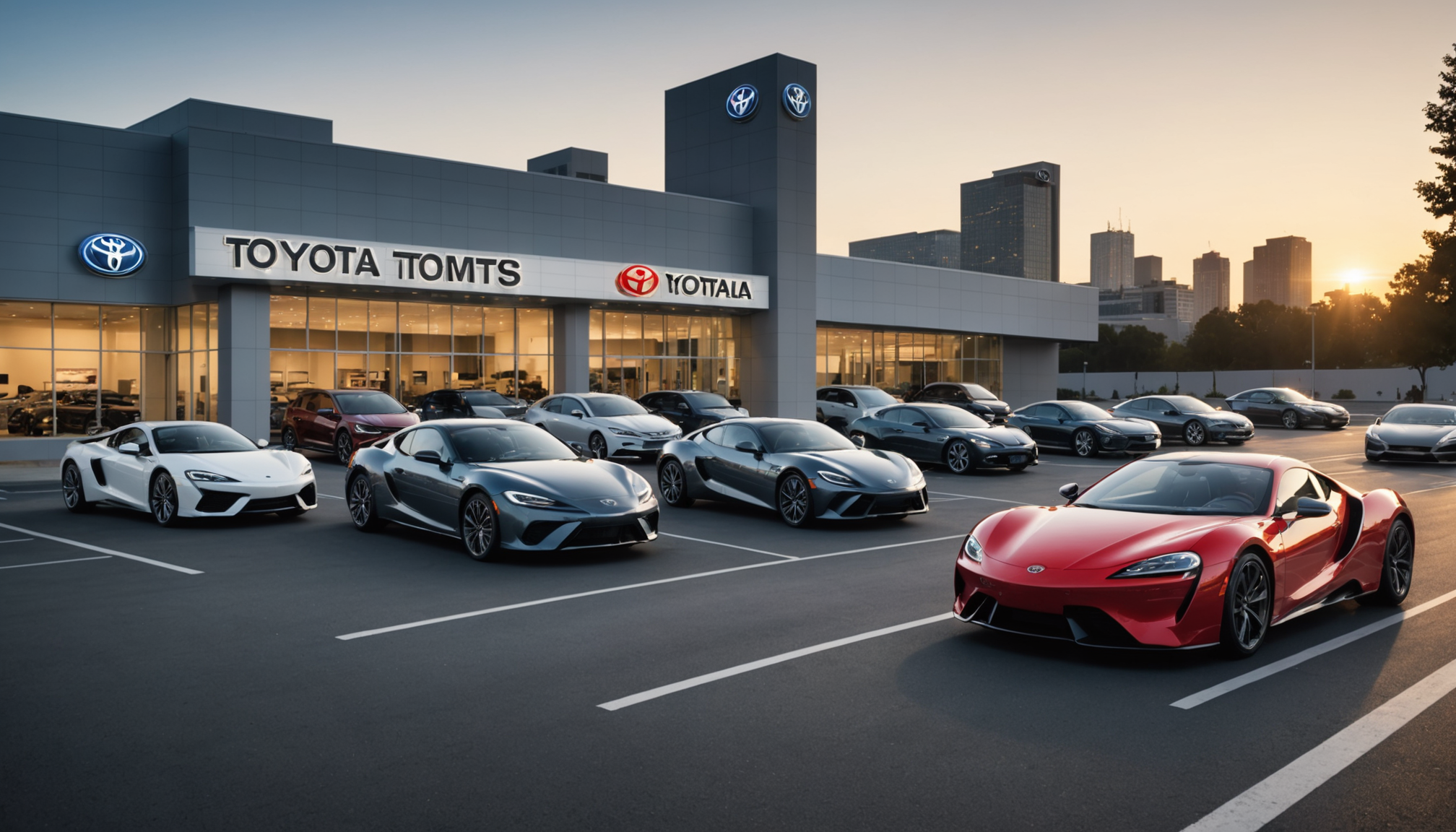
Unveiling the Titans of the Automotive World 🚗🌍
Discover how the global car brands stack up as 2025 reshapes the automotive industry. From the undeniable reign of Toyota to the rise of electric vehicle leaders, here’s the data you can’t afford to miss.
As the world speeds toward an electric and hybrid future, traditional car giants and new contenders battle for supremacy. Global car sales show fluctuating trends, market shares shifting by the quarter, and consumer preferences evolving rapidly. In this exploration of top-selling car brands worldwide, we decode who’s winning, why it matters, and what it means for the future of motoring.
The Unstoppable Dominance of Japanese Car Brands in Global Sales
The automotive landscape in 2025 reveals a continuous surge in Japanese car brands, especially with Toyota at the helm. Toyota has solidified its position as the world’s best-selling car brand by commanding over 11% of the global vehicle sales. This domination owes much to their reputation for unparalleled reliability and a sharp focus on innovation.
Unlike many competitors, Toyota doesn’t just rely on volume but also on diversity within its lineup. From the compact and ever-popular Corolla Cross to the rugged Tacoma, Toyota’s vehicles cover every conceivable market niche. Their hybrid models, such as the Corolla Hybrid and RAV4 Hybrid, are particularly driving their growth, capturing the environmentally-conscious buyer’s attention worldwide.
Toyota’s sales strategy is multifaceted:
- 🌟 Offering reliable and affordable vehicles that meet diverse consumer needs.
- ⚡ Pioneering hybrid and electric technology to reduce carbon footprints.
- 📊 Leveraging a strong global dealership and service network for customer retention.
In addition to Toyota, Japanese brands like Honda and Nissan maintain strong footing. The Honda Civic, a compact car with an excellent reputation for long-term value retention, continues to appear prominently in global sales reports. Nissan’s Versa appeals to budget-conscious markets and also supports Nissan’s growing influence in electric vehicle production.
What sets these brands apart in the sprawling global car market ranking is their ability to blend tradition with innovation. Their broad appeal stems not just from affordability but also the tech-savvy upgrades in infotainment, safety, and fuel efficiency, which cater to the modern driver’s demands.
The Japanese automakers also benefit from slower depreciation rates compared to other vehicles, an appealing factor for buyers who consider resale value crucial. The consistent market shift toward these trustworthy brands suggests their strong grip over the globe’s automotive consumer trust remains unshaken heading into the future.
Exploring The Resilient Appeal Of Brand Reliability And Hybrid Innovation
Japanese brands are not just selling cars—they are selling confidence and long-term value, reflected brilliantly in their depreciation statistics and market growth.
North American and European Car Brands: Battles and Shifts in 2025 Sales
The automotive industry across North America and Europe is witnessing an intense battle for market share, with legacy brands reacting to the growing electric vehicle revolution. Ford remains a noteworthy player with its iconic Mustang standing resilient as the sole American model ranking high in retention and global popularity. The Mustang’s blend of heritage and modern engineering allows it to buck typical depreciation trends that plague many domestic cars.
On the European front, Volkswagen Group utilizes its portfolio to retain strong sales momentum. The VW Golf and Audi series continue to attract buyers seeking quality craftsmanship paired with cutting-edge technology. However, European market shares have slightly softened in some regions due to increasing competition from Asian and American electric vehicle makers and evolving regulatory frameworks that emphasize zero emissions.
Compared to the Japanese brands’ focus on hybrids, many North American and European automakers have accelerated their electric vehicle production lines post-2023, recognizing the urgent need to adapt. However, building customer trust around these new EV models requires time and consistent performance delivery.
While Ford’s Mustang captivates nostalgia and muscle car enthusiasts, brands like Chevrolet and Dodge are seeing dwindling sales as they phase out traditional muscle vehicles. This reflects a broader trend where consumers favor either electric alternatives or highly efficient hybrids.
Automotive market analysts highlight that the volatility in resale value impacts consumer buying decisions significantly, particularly in regions with high vehicle turnover rates. Thus, understanding depreciation patterns alongside sales statistics becomes increasingly vital for consumers and dealerships alike.
Europe’s luxury segment remains strong, with brands like BMW and Mercedes-Benz leveraging advanced tech and electrification introduced in their latest lineups. However, they must continue to innovate rapidly to hold on to affluent buyers who are growing more conscious about emissions and sustainability.
Legacy Models Versus Electric Innovation: Who Wins The Market Race?
Survival in a changing market depends on a brand’s agility in innovation and its emotional connection with consumers.
Electric Vehicle Sales: The Emerging Players Shaping the Future
The year 2025 is a turning point in the global vehicle market trends, mainly due to the accelerating rise of electric vehicles (EVs). Leading this charge are manufacturers like BYD from China, whose aggressive advancements in battery technology and affordable EVs push them closer to overtaking classic American brands like Ford by year-end.
BYD’s phenomenal growth stems from a deep understanding of both domestic and international markets, adapting their product offerings to various regions’ infrastructure capabilities. This flexibility places them near the forefront of the emerging EV revolution that disrupts conventional car sales hierarchies.
Alongside BYD, Tesla continues to influence market dynamics, though facing stiffer competition from a variety of new entrants and legacy automakers hastily rolling out EV models. The race isn’t just about technology but also about brand perception and the reliability associated with automakers’ electrification efforts.
In 2025, several brands have unveiled expanded lineups of electric SUVs, coupes, and sedans to meet differing consumer tastes. For example, Toyota’s gradual but steady embrace of full electric vehicles coupled with hybrids shows a pragmatic pivot aiming to maintain market leadership.
Understanding the comprehensive shift towards electrification, governments worldwide have introduced incentives that boost EV adoption further. This regulatory support helps brands with strong EV offerings capitalize on growing consumer interest.
Data from global car sales statistics emphasize that while traditional car models retain some market share, the momentum firmly lies with electric vehicles, which are expected to make up a majority share by the decade’s end.
How New Energy Vehicles Are Disrupting The Automotive Industry
Electric vehicles are more than a trend; they represent an irreversible shift in consumer preferences and manufacturing priorities worldwide.
How Resale Value Reflects Brand Strength in the Global Car Market Ranking
Among the best-selling vehicles, resale value emerges as a critical indicator of consumer trust and brand strength. Models like the Toyota Corolla Cross have astonishingly low depreciation rates—just 2.63% over three years, considerably lower than the industry average. This highly impacts buyers prioritizing long-term cost of ownership.
Similarly, the Ford Mustang maintains a notable resale value despite being the only American car excelling in this regard. The Mustang’s blend of cultural significance and solid performance helps protect its worth, setting it apart from many US counterparts.
Japanese vehicles vastly dominate the top positions in depreciation rankings. From the Toyota 4Runner and C-HR to the Subaru Crosstrek, these cars maintain impressive resale prices, hinting at why buyers remain loyal to these brands amidst shifting market dynamics.
Here’s a snapshot of average depreciation after three years for selected vehicles, spotlighting their long-term value:
| 🚘 Brand/Model | 📉 Avg 3-Year Depreciation (%) | 💵 Avg Dollar Value Lost |
|---|---|---|
| Toyota Corolla Cross | 2.63% | $662 |
| Toyota 4Runner | 4.85% | $2,209 |
| Ford Mustang | 5.41% | $2,822 |
| Subaru Crosstrek | 4.90% | $1,277 |
| Nissan Versa | 5.74% | $993 |
Lower depreciation means higher retained value, which directly influences demand for used cars – a crucial factor for car buyers and sellers navigating today’s dynamic automotive market.
Resale Value Trends Unleashing Consumer Confidence Globally
Vehicles that hold their worth foster brand loyalty and fuel repeat sales, reinforcing the cyclical nature of the car market.
Key Dates And Market Timing: When and Where Car Sales Peak Globally
Understanding peak sales periods and their global timing offers a competitive edge to manufacturers and dealers in matching supply with demand.
| 🌎 Region | 📅 Peak Sales Month | 🚗 Notes |
|---|---|---|
| North America | May – June | Spring promotions fuel high traffic; new model year launches impact. |
| Europe | September – October | End-of-year incentives and environmental regulations affect sales. |
| Asia-Pacific | February – March | Lunar New Year boosts purchases; new technological releases. |
| Latin America | November – December | Festive season purchases peak; currency fluctuations impact pricing. |
Smartly timing sales campaigns within these windows maximizes visibility and buyer interest, aiding brands in cementing their global market positions.
Optimizing Sales Strategies Around Market Timing
Brand success depends heavily on leveraging regional buying patterns and aligning production cycles accordingly.
- 🚀 Toyota leads the global market largely due to hybrid adoption and reliability.
- ⚡ Electric vehicle sales, driven by brands like BYD, reshape car market rankings rapidly.
- 💰 Depreciation rates heavily influence buyer confidence in brand loyalty.
- 🌍 Regional differences in peak sale periods require tailored marketing strategies.
- 🏆 Iconic models like the Ford Mustang sustain interest by combining heritage with modern appeal.

My Name Is Said I am a dedicated blogger sharing the latest trending blogs from the USA, covering news, updates, and informative stories. My focus is on delivering accurate, engaging, and timely content for readers worldwide.