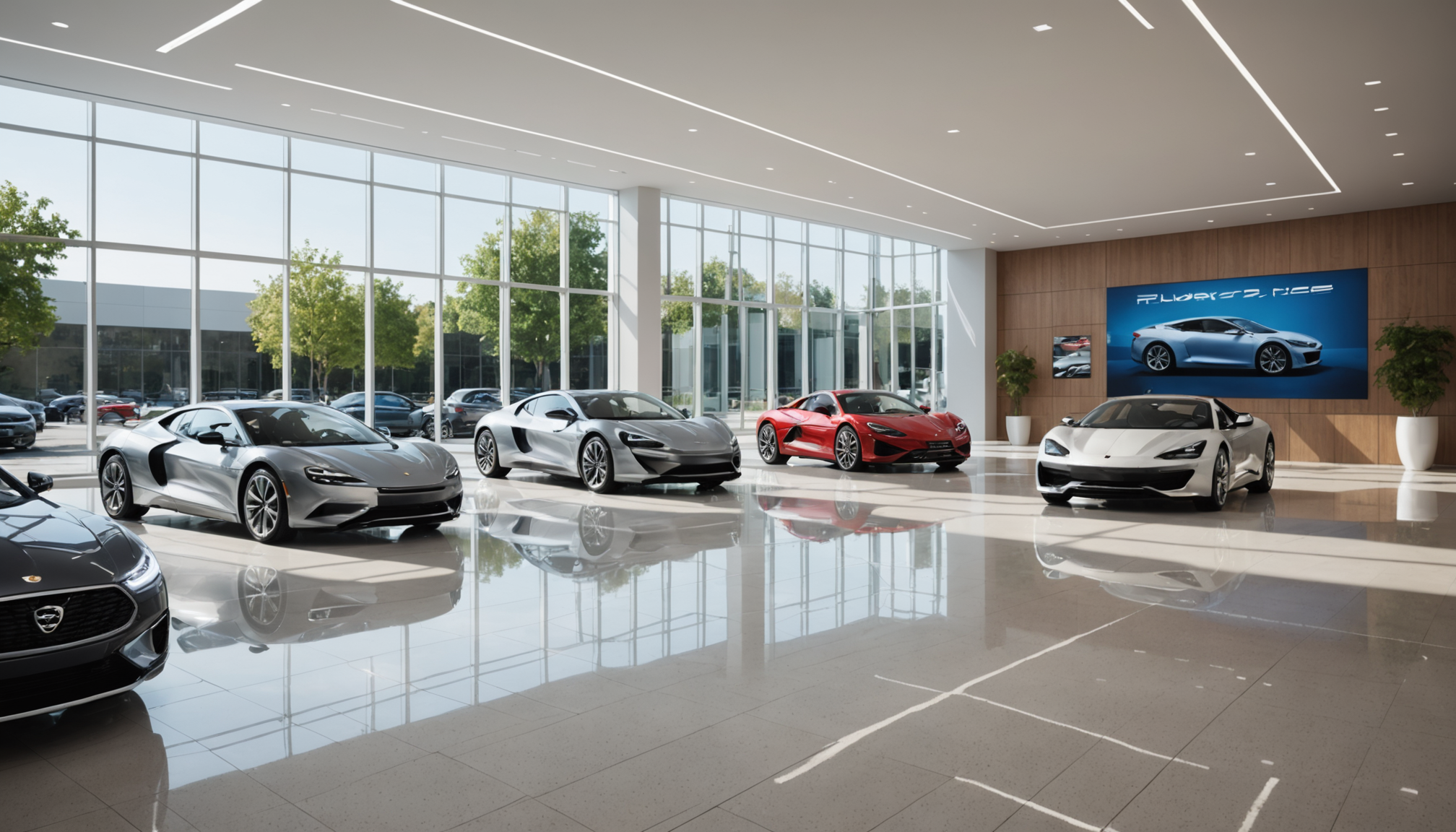
Consumer Reports reveals the 2026 car brand rankings that balance affordability and cutting-edge reliability, shaking up the automotive landscape.
As new vehicle prices exceed $50,000, Consumer Reports spotlights the best brands delivering value and tech that drivers genuinely want. Subaru leads for the second year, Tesla breaks into the top 10, and the shadows grow longer for Detroit’s legacy automakers. Here’s a deep dive into what you need to know before your next vehicle purchase.
How Consumer Reports’ Rigorous Testing Shapes the 2026 Automotive Landscape
Every year, Consumer Reports leverages extensive data gathered from owners and in-house testing to unveil the automotive industry’s most reliable and appealing brands. In 2026, their massive dataset covered more than 380,000 vehicles across 25 model years — the most extensive vehicle tracking effort in CR’s history. The result? A report card that affects buyers’ choices and industry strategies alike.
This vast study isn’t just a list; it’s a window into vehicle reliability, owner satisfaction, repair costs, and long-term value. Brands like Subaru continue to impress with dependability and affordability, earning them the top slot for the second consecutive year. This ranking confirms the automaker’s reputation for blending technology with practical performance at a reasonable price point.
Meanwhile, other mass-market giants such as Honda, Toyota, and Hyundai range within the report’s top ten, reinforcing that excellence doesn’t require breaking the bank. Consumer Reports’ approach includes real-world ownership experiences alongside controlled road tests, providing a nuanced picture of each brand’s offerings.
The Unfolding Role of Data in Automotive Consumer Choice
By collating owner surveys, CR captures issues that often go unnoticed during initial vehicle evaluations. Vehicle ratings incorporate factors such as unexpected repair frequency and how certain technologies fare over years of use. This approach challenges the industry’s hype about “innovative” features by revealing practical reliability outcomes.
Buyers can thus benefit from insights that balance sleek appeal with enduring value, making Consumer Reports’ annual rankings a critical compass for navigating 2026’s automotive market.
Subaru’s Consistent Excellence: Why It Keeps Winning Hearts and Ratings
Subaru didn’t claim the number one spot by chance — its resilience and affordability have struck a chord with drivers seeking dependable vehicles in uncertain economic times. Two years running at the top of Consumer Reports’ rankings, Subaru stands out through a mix of reliability, safety, and smart use of technology without overwhelming buyers with costly gimmicks.
The brand’s SUVs and sedans, like the Outback and Impreza, illustrate this well. Equipped with proven all-wheel-drive systems and powered by engines refined over decades, Subaru models tend to stay reliable far beyond the warranty period. This long-term quality keeps repair and maintenance budgets in check — a key insight for families and commuters alike.
Even more, Subaru’s pricing strategy remains approachable compared to luxury players, combining an excellent value proposition with features consumers expect, such as advanced driver assist systems and effective infotainment platforms.
Looking Beyond the Badge: What Subaru’s Success Means for Buyers
Subaru showcases that affordability and excellence aren’t mutually exclusive. The brand’s steady climb proves quality engineering combined with consumer focus creates loyalty and solid resale values. This is a blueprint for automakers facing increasing pressure to innovate without alienating buyers.
Tesla’s Breakthrough: From Reliability Criticism to Top-Ten Acclaim
For years, Tesla wrestled with a reputation for uneven reliability. Yet 2026 marks a turning point: the EV pioneer cracks Consumer Reports’ top 10 — a breakthrough celebrating Tesla’s mature vehicle lineup and refined technology. Industry insiders highlight the fact that Tesla’s core models, many unchanged in design for over a decade, offer a depth of reliability gained from continuous evolution rather than frequent redesigns.
Senior CR testing director Jake Fisher pointed out that Tesla produces the most reliable electric vehicles in the U.S. market today. Tesla’s Model S, untouched by major redesigns for 15 years, stands out for being honed to near perfection. Buyers benefit from a mature battery management system, streamlined software updates, and mechanical simplicity absent in newer competitors.
Yet Tesla’s 5-to-10-year-old vehicles score low on reliability, revealing the realities of early-adopter technology growing pains. The brand’s lessons remind us how innovation demands patience.
Why Tesla’s Journey Matters to the Electric Car Market
- ⚡ Continuous production maturation builds trust over time.
- 🔋 Mature battery and software systems reduce unexpected failures.
- ⚙️ Early models’ lower reliability highlights tech evolution’s hurdles.
- 🚗 Tesla’s top 10 status signals a wider acceptance of EVs by traditional reliability metrics.
Detroit’s Detroit Brands Battle an Uphill Road in 2026 Rankings
When examining the 2026 rankings, the fate of traditional Detroit automakers remains a cautionary tale. Ford’s luxury wing, Lincoln, was the only American marque landing comfortably in the top 10 — a feat thanks to its more mature models like the Aviator and Corsair, which showed increased reliability with age. However, heavyweight neighbors from General Motors and Stellantis fare much worse, with Cadillac, Chevrolet, Buick, and Chrysler well down the list.
Jeep finishes at the very bottom, followed by Dodge and Alfa Romeo, the latter at least providing some relief as it ranks higher than certain peers. The ongoing reliability troubles stem from incorporating cutting-edge technology before it’s fully seasoned, leading to costly downtimes for owners and eroding trust in legacy brands.
This contrast highlights the steep challenge Detroit brands face trying to keep pace with both traditional reliability standards and the rapidly shifting innovation landscape.
American Brands’ Struggle Shows the Cost of Rushing Innovation
- ⏳ Older models gain reliability; newer tech-heavy releases introduce problems.
- 📉 Despite luxury focus, Cadillac and Lincoln face distinct challenges in tech maturity.
- 🔧 Repair costs and frequent fixes undermine brand loyalty.
- ⚠️ The upward battle stresses the consequences of innovation without refinement.
What Consumers Should Know About Hybrids, Plug-In Hybrids, and Emerging Technologies
Among powertrain choices, hybrids emerge as the most reliable, benefiting from decades of development and the careful adoption of technology by giants like Toyota. Hybrid systems deliver affordable, trouble-free options with improved fuel efficiency, smooth driving experience, and reduced emissions.
However, plug-in hybrids (PHEVs), which promise extended electric-only range via larger batteries, show more frequent problems like charging issues and cabin climate control glitches — closer to the challenges plaguing full EVs. This split underscores the importance of vetting newer technologies carefully, especially when putting trust into unparalleled features for your next vehicle.
Taken as a whole, these trends affirm that consumers should focus on proven excellence when choosing their next ride, balancing value, technology, and expert-backed consumer choice data.
What This Means for Your Next Vehicle Purchase
| 🚗 Powertrain Type | ⚙️ Reliability Rating | 💡 Common Issues | 💸 Typical Price Range |
|---|---|---|---|
| Hybrid | High | Minimal, mature technology | $30,000 – $50,000 |
| Plug-In Hybrid (PHEV) | Moderate | Charging, climate control | $40,000 – $60,000 |
| Electric Vehicle (EV) | Variable | Battery range, software glitches | $40,000 – $80,000+ |
In Brief: Top Highlights From Consumer Reports’ 2026 Car Brand Rankings
- 🚘 Subaru holds its spot as the most reliable and affordable brand for the second consecutive year.
- ⚡ Tesla’s full brand breaks into the top 10 for the first time, reflecting mature EV technology.
- 🏆 Detroit suffers setbacks with Jeep at the bottom and most legacy brands lagging in reliability.
- 🔋 Hybrids outpace plug-in hybrids and electric vehicles in trouble-free operation.
- 📊 Consumer Reports bases scores on objective testing and hundreds of thousands of owner experiences.
- 💰 Despite the rising vehicle pricing exceeding $50k, several brands deliver value-packed options.

My Name Is Said I am a dedicated blogger sharing the latest trending blogs from the USA, covering news, updates, and informative stories. My focus is on delivering accurate, engaging, and timely content for readers worldwide.