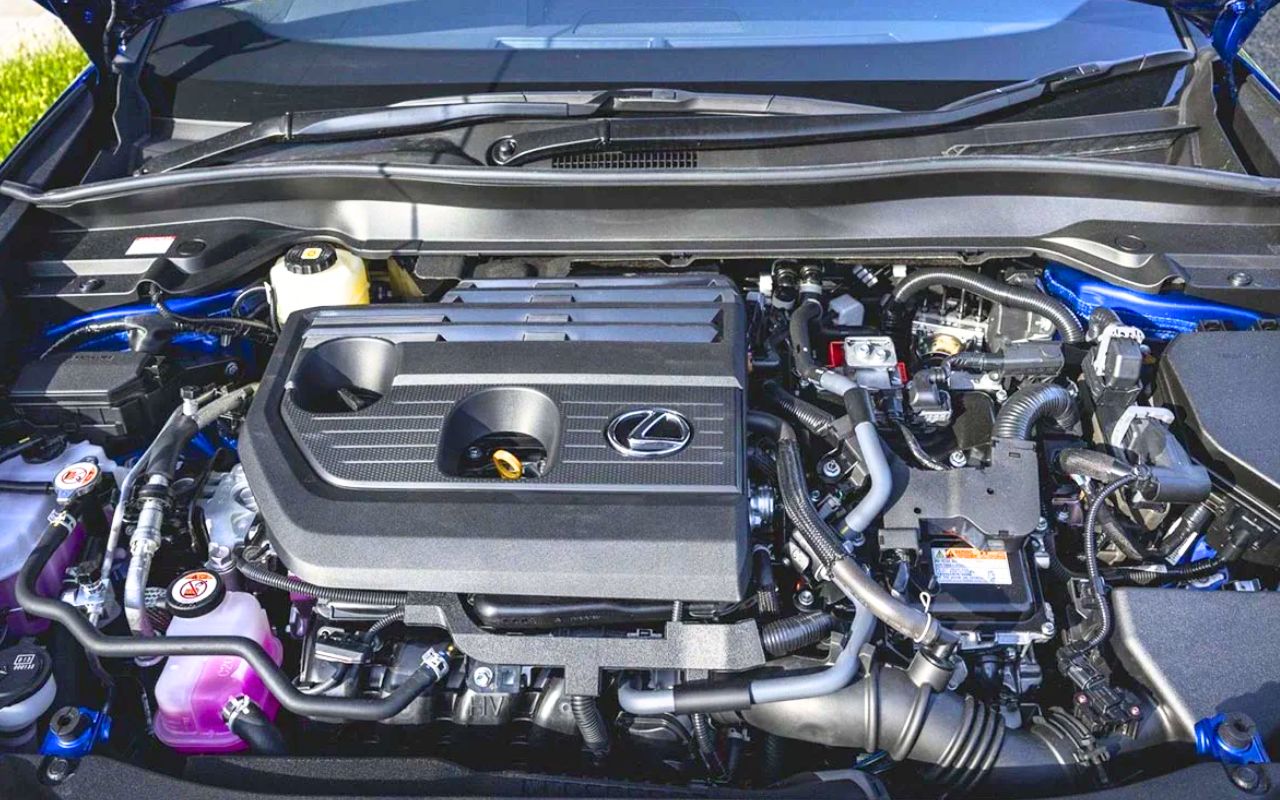
By refusing full electrification and doubling down on proven hybrid engineering, the Lexus UX 2026 quietly challenged the market’s obsession with radical change.
When most compact premium SUVs rushed toward plug-in systems or full EV lineups, Lexus chose restraint. The UX returned for the 2026 model year with one hybrid engine, refined details, and a clear promise of long-term reliability. No dramatic redesign, no experimental powertrain, no technological overload. Instead, Lexus delivered continuity, confidence, and a carefully calibrated premium experience.
A deliberate refusal to chase full electrification
Lexus had watched the compact SUV segment fragment under the pressure of electrification mandates. Some brands went all-in on battery electric platforms. Others hedged with plug-in hybrids that looked efficient on paper but disappointed in real-world use. The UX 2026 moved in the opposite direction by committing fully to self-charging hybrid technology. The lineup was simplified to a single powertrain. A 2.0-liter gasoline engine paired with an electric motor delivered a combined output of 199 horsepower, prioritizing smoothness and efficiency rather than aggressive performance. Lexus engineers had refined this system over more than a decade, and by 2026 it had become one of the most mature hybrid setups on the market. This approach eliminated charging anxiety, reduced mechanical complexity, and appealed to drivers who wanted electrification without lifestyle compromises. It also allowed the UX to avoid weight penalties associated with larger batteries, keeping handling predictable and wear under control. For Lexus, the message was clear. Hybrid maturity mattered more than EV spectacle.
One powertrain, one message, no confusion
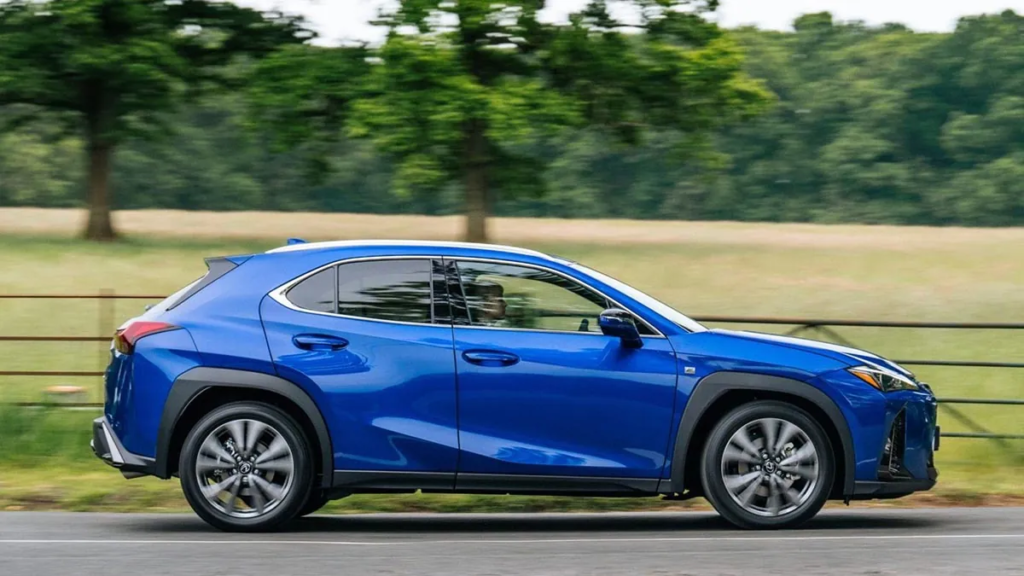
The UX 2026 abandoned drivetrain variety entirely. There was no plug-in version. No mild-hybrid alternative. No all-wheel-drive option. Every model used the same hybrid architecture, paired with a continuously variable automatic transmission tuned for comfort. Performance figures reflected this philosophy. The SUV reached 62 mph in 8.1 seconds, with a top speed limited to 112 mph, or about 180 km/h. These numbers were competitive rather than headline-grabbing, but they matched the UX’s mission as a daily premium vehicle. Fuel efficiency remained one of its strongest arguments. Lexus quoted an average consumption of 5.0 liters per 100 km, which translated to roughly 47 mpg US. CO2 emissions stayed low enough to avoid penalties in most European markets, reinforcing the UX’s positioning as a fiscally sensible premium choice. By removing drivetrain choice, Lexus simplified ownership. Buyers knew exactly what they were getting, and dealerships no longer had to explain trade-offs between multiple hybrid systems.
Exterior design evolved without chasing trends
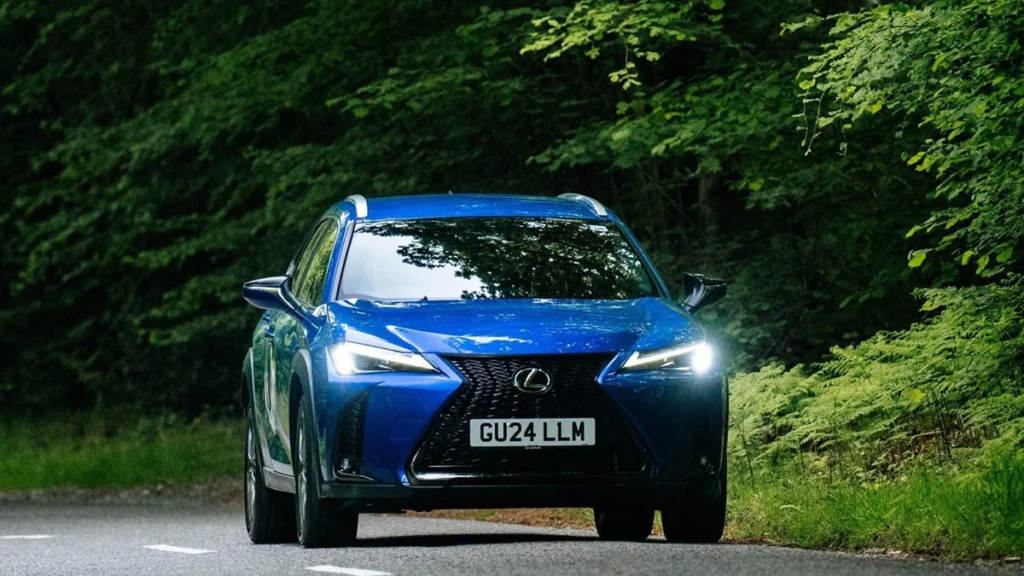
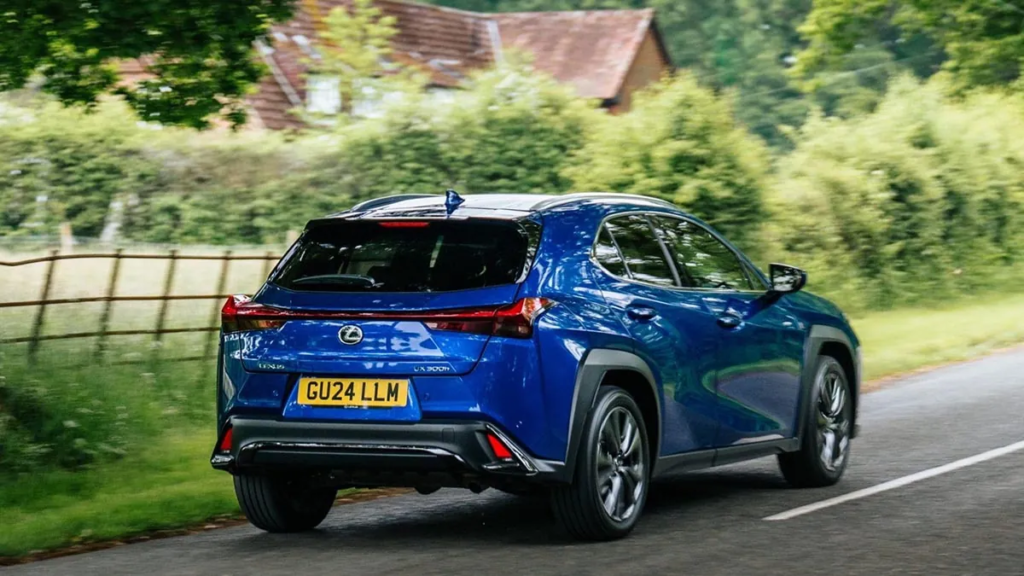
At first glance, the UX 2026 looked familiar. Lexus deliberately avoided a dramatic redesign, choosing instead to refine existing proportions. The spindle grille remained, framed by sharp LED lighting and subtle aerodynamic adjustments. New wheel designs and updated paint options added freshness without altering the vehicle’s identity. This restrained approach stood in contrast to competitors that leaned heavily on aggressive styling and oversized elements. The UX maintained clean surfaces and compact proportions, making it easier to live with in urban environments. The dimensions stayed modest for the segment. At just under 4.5 meters, or roughly 2.8 miles, in length, the UX remained maneuverable without feeling cramped. Ground clearance was unchanged, reinforcing its role as a road-focused SUV rather than an off-road pretender. The result was a design that aged gracefully rather than aggressively. Lexus clearly prioritized longevity over instant visual impact.
The cabin became the real upgrade zone
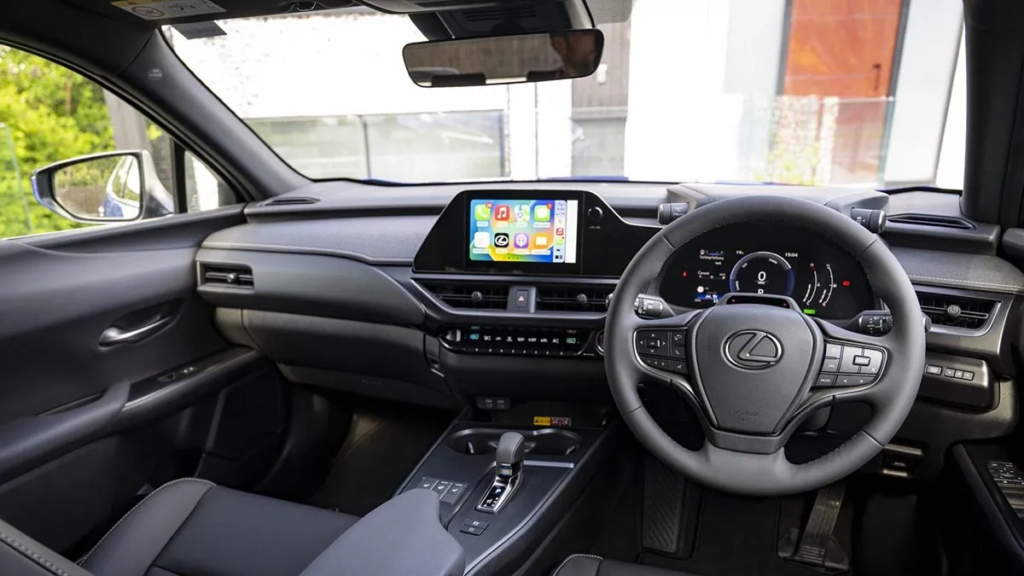
If the exterior played it safe, the interior told a more progressive story. Lexus focused its efforts on materials, interface clarity, and perceived quality. The dashboard layout remained driver-oriented, but the infotainment system received meaningful updates. A revised central touchscreen responded faster and integrated wireless Apple CarPlay and Android Auto as standard. Physical controls were retained for climate functions, a decision that improved usability and reduced distraction. Ambient lighting options expanded, and trim materials became more consistent across the range. Seating comfort remained a strong point. Front seats offered excellent support for long drives, while rear accommodations were adequate for two adults. Headroom and legroom stayed within segment norms, though the UX never pretended to be class-leading in space. Lexus focused on build quality, material consistency, and long-term comfort, reinforcing the brand’s reputation for interiors that held up over time.
Trim levels were reorganized to feel intentional
For 2026, Lexus streamlined the UX lineup into four clearly defined trims:
- Urban, the entry-level version, included advanced driver assistance, a full digital instrument cluster, and LED lighting.
- F Sport Legend added sport-oriented styling cues, firmer seat bolstering, and larger wheels.
- F Sport+ introduced adaptive suspension, premium audio, and enhanced comfort features.
- Omotenashi, the flagship trim, focused on luxury with leather upholstery, ventilated seats, head-up display, and refined interior accents.
This structure allowed buyers to choose between visual sportiness and comfort-focused luxury without overlapping equipment. Safety systems were standard across all trims, including adaptive cruise control, lane-keeping assistance, and automatic emergency braking. The approach reduced decision fatigue while maintaining a clear sense of progression within the lineup.
Practicality was solid, not dominant
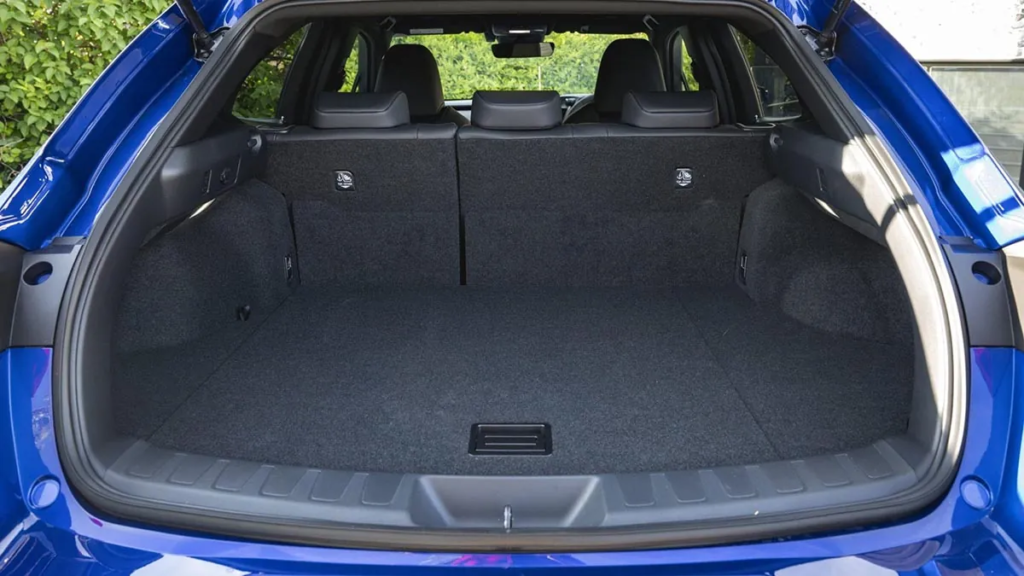
Cargo capacity remained one of the UX’s known compromises. The trunk offered between 320 and 400 liters, depending on configuration. That equaled roughly 11 to 14 cubic feet, placing the UX below some competitors in outright volume. However, Lexus optimized usability through a low loading floor and well-shaped cargo area. Rear seats folded in a 60/40 split, creating a flat load surface for occasional larger items. Interior storage solutions were practical rather than inventive, favoring durability over novelty. This balance reflected the UX’s urban focus. It was designed for commuting, weekend trips, and daily errands, not maximum hauling capacity. Buyers looking for outright space were expected to move up to the NX or RX.
Pricing was the tension point that defined its limits
In France, the UX 2026 launched with prices starting at €40,250, which translated to roughly $43,500 at the time. The top Omotenashi trim reached €56,000, or about $60,500, placing it firmly in premium territory. Here, the UX faced its toughest challenge. At similar prices, competitors offered larger cabins, plug-in capability, or full electric drivetrains. Lexus countered with reliability, lower long-term maintenance costs, and freedom from charging infrastructure. No government bonus applied, but the UX avoided ecological penalties that affected heavier hybrids. Lexus also relied on financing offers to soften the entry price, occasionally bringing effective costs below €39,000 in certain markets. For buyers prioritizing predictable ownership costs, the pricing made sense. For others chasing maximum tech per dollar, it required a leap of faith.
A hybrid-first philosophy that resisted market pressure
The UX 2026 ultimately represented Lexus at its most confident. While competitors raced toward electrification milestones, Lexus trusted its hybrid expertise and customer base. The decision not to electrify fully was not hesitation. It was strategy. By focusing on proven engineering, measured evolution, and ownership serenity, the UX carved out a niche for drivers unconvinced by rapid technological turnover. It was not the loudest option in the segment. It was one of the most composed.

My Name Is Said I am a dedicated blogger sharing the latest trending blogs from the USA, covering news, updates, and informative stories. My focus is on delivering accurate, engaging, and timely content for readers worldwide.