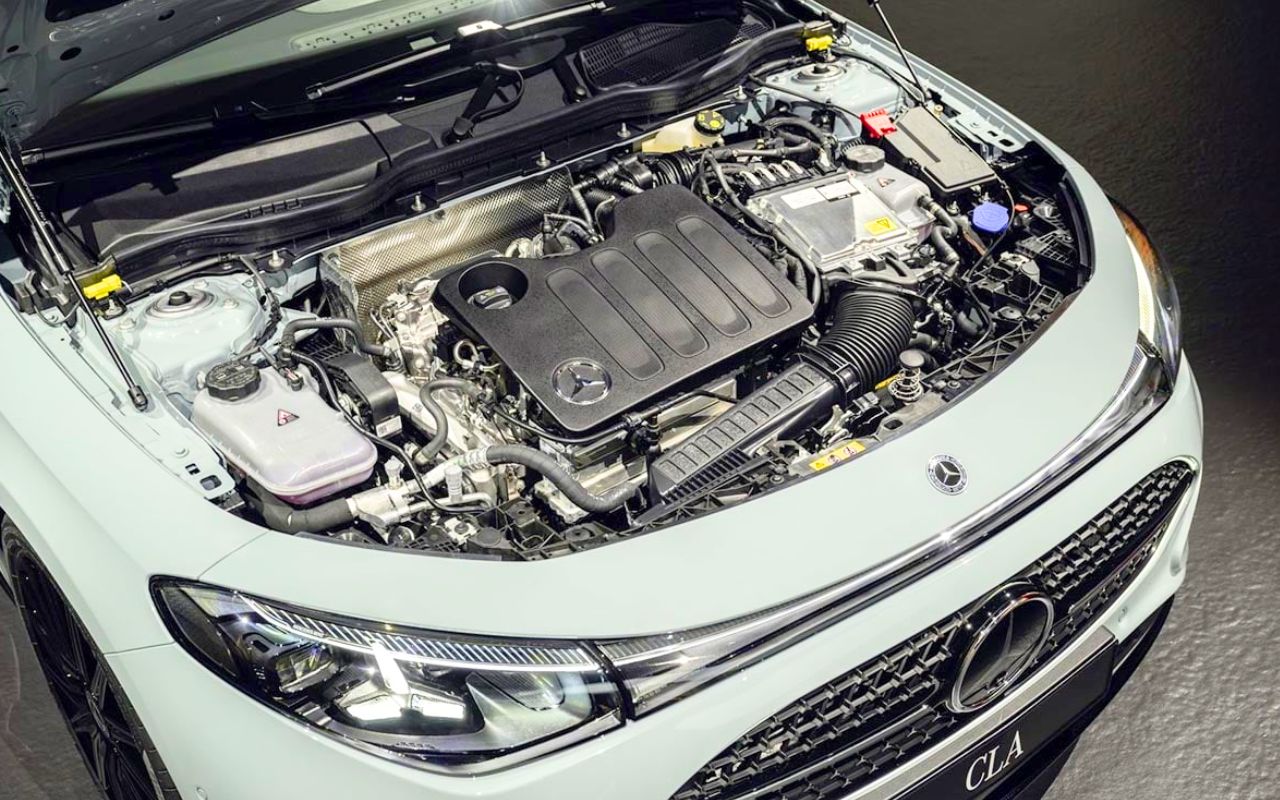
Designed in Germany, built in China, and engineered for a world not ready to abandon gasoline, the M252 quietly became one of Mercedes’ most strategic engines of the decade.
When Mercedes unveiled the M252, it was not chasing headlines or horsepower wars. It was responding to tighter regulations, stubborn customer habits, and a global industry stuck between electrification promises and combustion reality. This compact four-cylinder engine did not aim to thrill. It aimed to survive. And in doing so, it revealed how deeply the brand’s industrial priorities had shifted.
A compact engine designed for a shrinking combustion world
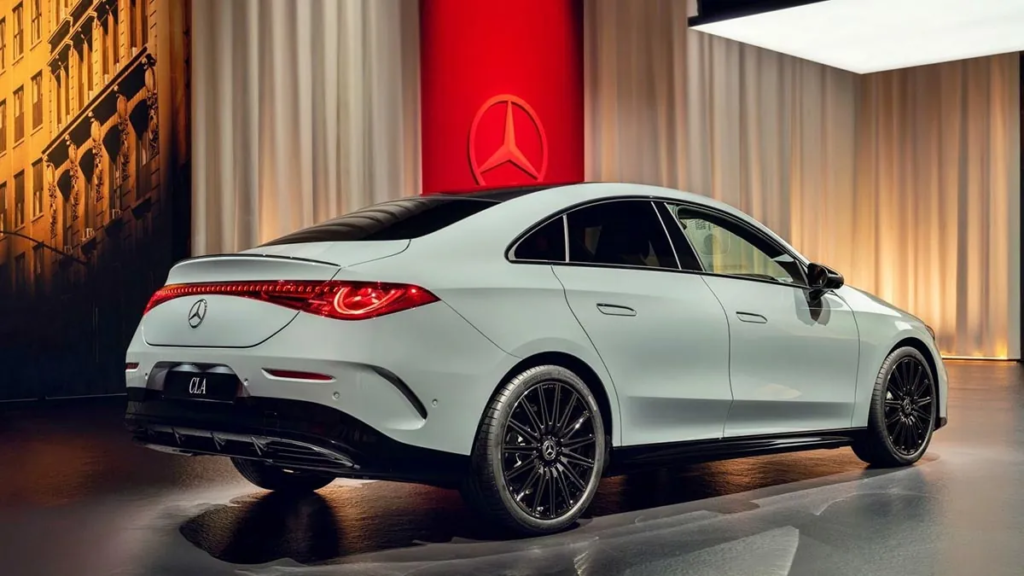
The M252 arrived as part of Mercedes’ effort to rationalize its gasoline lineup without abandoning it outright. Developed under the modular FAME architecture, the engine was a 1.5-liter four-cylinder mounted transversely, designed specifically for compact models like the CLA, GLA, and A-Class. In a market drifting toward electrification, this engine represented controlled efficiency, industrial pragmatism, and regulatory survival rather than passion. Mercedes engineers optimized the block around the Miller cycle, favoring early intake valve closure and high compression to reduce thermodynamic losses. Output ranged from 136 to 190 horsepower depending on calibration, enough for everyday driving but deliberately short of sporty ambition. What mattered was fuel use: early figures pointed to about 4.9 liters per 100 km, roughly 48 mpg US, a strong result for a non-plug-in gasoline unit. This was not an engine built to excite. It was built to remain relevant.
Mild hybridization as a calculated compromise
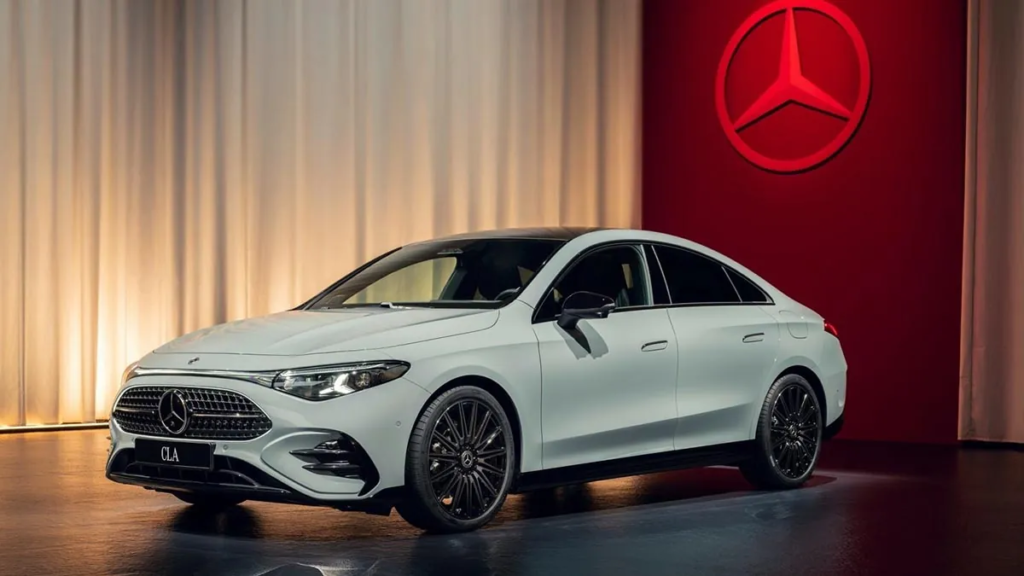
Rather than investing in full hybrid or plug-in systems across the board, Mercedes paired the M252 with a 48-volt mild hybrid setup. This decision reflected a strategic balance between cost, complexity, and customer behavior. The integrated starter-generator allowed frequent engine shut-offs, smoother restarts, and brief electric assistance at low speeds. The system also enabled energy recovery during braking and extended coasting phases, shaving consumption without changing how drivers used the car. There was no meaningful electric-only driving, but there was a measurable efficiency gain. For fleets and private buyers wary of charging constraints, this approach offered soft electrification, lower emissions, and familiar usage. In practice, the mild hybrid setup made the M252 quieter, smoother, and more compliant with urban driving cycles. It was an invisible technology, which was precisely the point.
ADesigned in Stuttgart, built in China
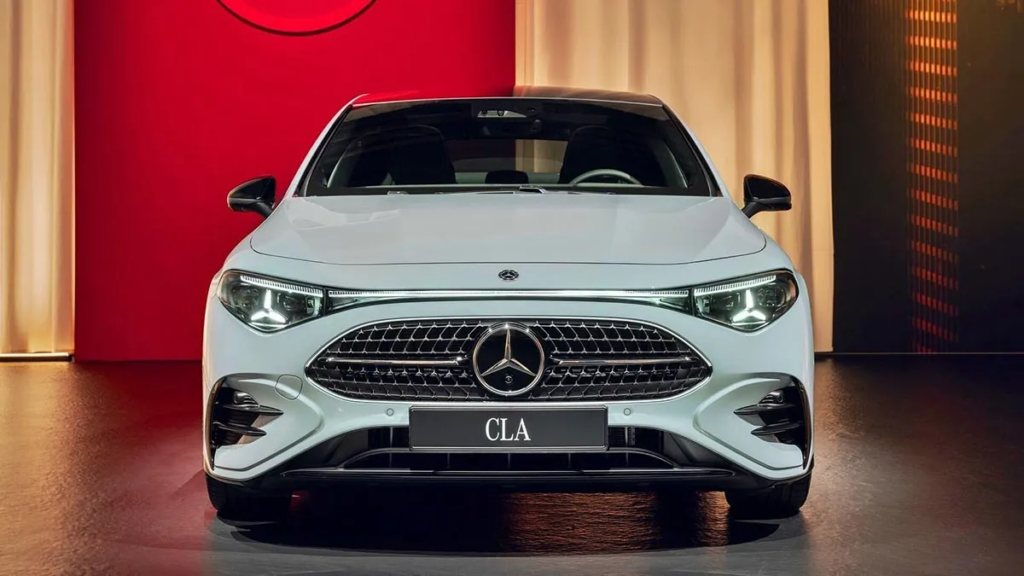
The most controversial aspect of the M252 was not its technology, but its origin. The engine was manufactured in China, produced by Horse, an industrial entity linked to Geely and Renault. For a brand long associated with German mechanical heritage, this decision marked a clear break. From Mercedes’ perspective, the logic was straightforward. Compact gasoline engines no longer justified high-cost European production. Outsourcing assembly reduced expenses, increased scalability, and allowed faster ramp-up for markets still dependent on combustion powertrains. Engineering, calibration, and software remained under Mercedes control, preserving brand standards while shifting manufacturing realities. This approach highlighted a broader trend: high-performance engines remained a German priority, while mass-market combustion units became global commodities. The M252 was not an exception. It was a signal.
Real-world efficiency over theoretical performance
On the road, the M252 delivered what it promised: smooth operation, adequate power, and low fuel consumption. Paired with a dual-clutch automatic transmission, it favored urban efficiency, steady cruising, and predictable behavior. Acceleration figures were respectable rather than impressive, and engine character leaned toward discretion. Drivers noticed fewer vibrations, improved stop-and-go refinement, and reduced fuel spikes in city traffic. Highway driving benefited from extended coasting and subtle electric assistance. This engine was not meant to be pushed. It was meant to disappear into daily use. By replacing older M270 and M282 engines, the M252 allowed Mercedes to meet stricter CO₂ targets without forcing customers into plug-in habits. That alone justified its existence.
Why Europe and the US were still in the equation
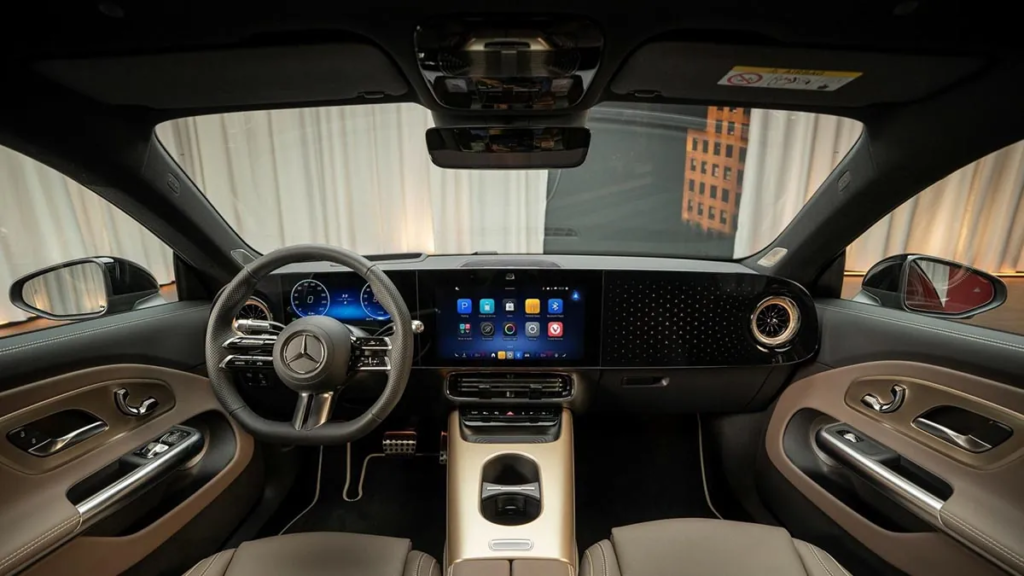
Although the M252 was built in China, it was designed primarily for European and North American markets. In Europe, demand for non-plug-in gasoline cars remained strong, especially among company fleets. In the US, where charging infrastructure and consumer trust lagged behind EV ambitions, mild hybrid gasoline engines retained appeal. By offering efficiency gains without behavioral change, Mercedes positioned the M252 as a transition engine. It allowed the brand to stretch the lifespan of combustion vehicles while preparing the ground for deeper electrification later. This dual strategy reduced risk in uncertain regulatory environments. The engine’s global relevance underscored a hard truth: electrification timelines varied widely, and manufacturers needed flexible solutions in the meantime.
Industrial realism behind the engineering narrative
Beyond technical details, the M252 reflected a deeper industrial recalibration. Mercedes acknowledged that not all components carried the same strategic weight. Compact gasoline engines, once central to brand identity, had become cost centers rather than differentiators. By externalizing production, Mercedes preserved capital for software, electric platforms, and high-margin segments. The M252 was engineered efficiently, produced economically, and deployed pragmatically. Its role was not to symbolize innovation, but to enable it elsewhere. This shift unsettled purists but aligned with market realities. Luxury branding no longer depended solely on where an engine was built, but on how seamlessly technology integrated into daily life.
A quiet but telling chapter in Mercedes’ evolution
The M252 never aimed for legendary status. It was never meant to be remembered like iconic inline-sixes or AMG V8s. Instead, it functioned as a bridge, buffer, and business tool during a turbulent transition period. Its success was measured not in passion but in compliance, margins, and continuity. In that sense, it did its job. It allowed Mercedes to keep selling gasoline cars responsibly while reshaping its future portfolio. And that may be its most revealing legacy.

My Name Is Said I am a dedicated blogger sharing the latest trending blogs from the USA, covering news, updates, and informative stories. My focus is on delivering accurate, engaging, and timely content for readers worldwide.