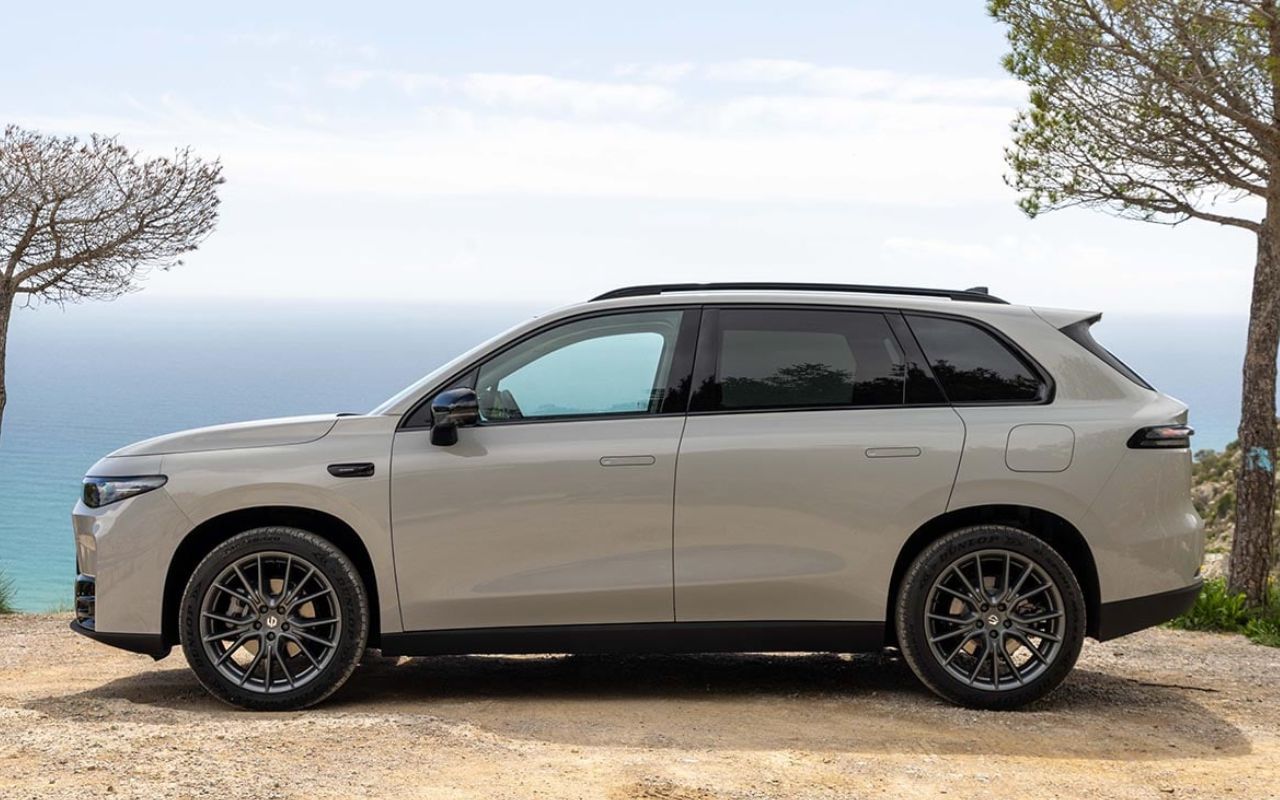
It looked ordinary, drove electric, burned gasoline only when needed, and embarrassed far more expensive rivals. The Leapmotor C10 REEV did not shout, but it forced the industry to listen.
At first glance, nothing about the Leapmotor C10 REEV screamed disruption. Its shape was familiar, its cabin restrained, its tech neatly packaged. Yet beneath that calm surface sat a powertrain philosophy most Western brands had abandoned too quickly. And for buyers tired of charging anxiety, it quietly delivered something radical: freedom.
A familiar shape hiding an unconventional idea
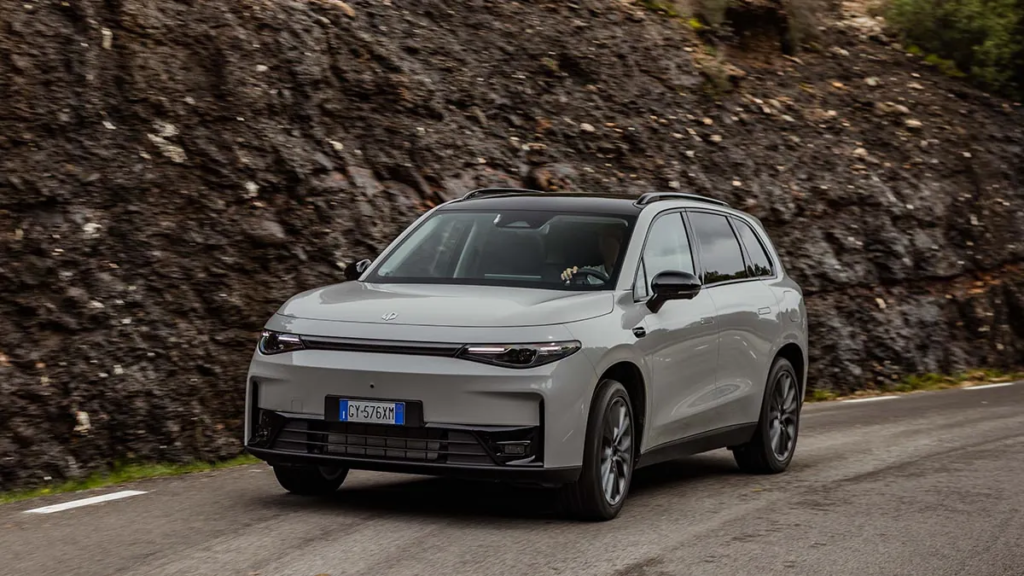
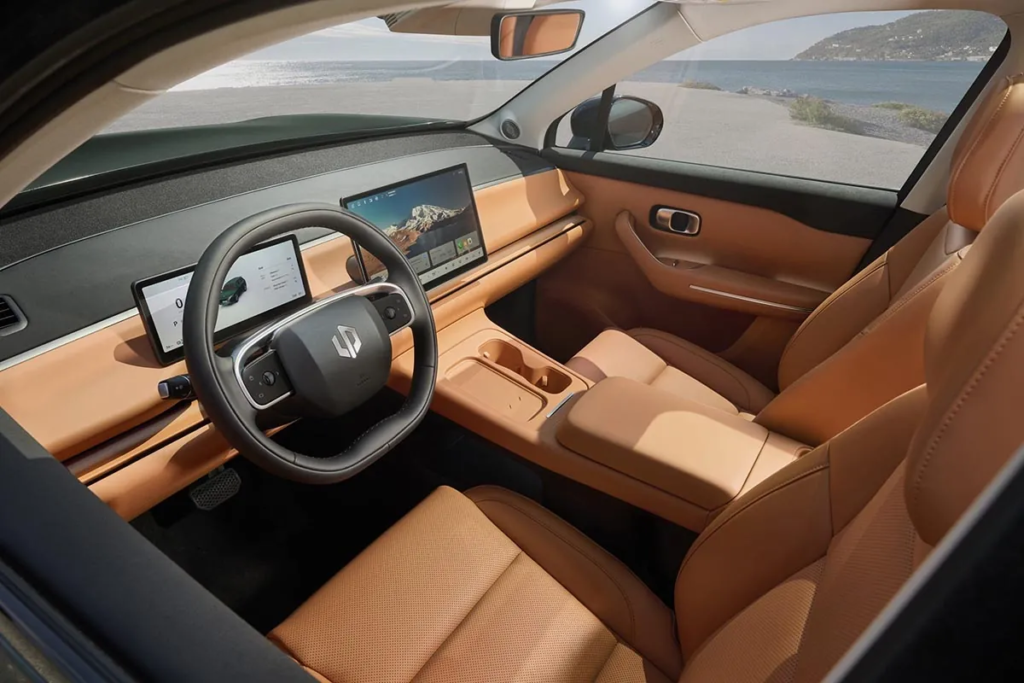
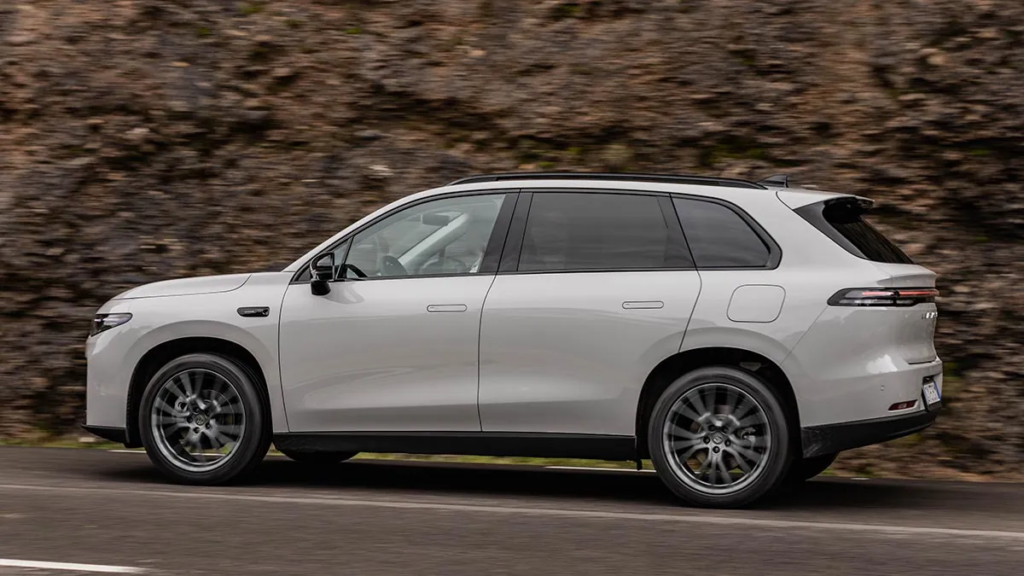
From the outside, the Leapmotor C10 REEV looked like a mid-size European SUV. Its proportions were balanced, its lines restrained, and its presence deliberately understated. At 186 inches long (about 4.73 meters), it sat between compact and full-size family SUVs, landing in a sweet spot for daily usability without visual excess. Nothing about its exterior hinted at a Chinese origin or an experimental drivetrain. That familiarity was intentional. Leapmotor avoided polarizing design to focus on broad appeal, family practicality, and mainstream trust. The C10’s LED light signature, closed front fascia, and clean surfaces mirrored what buyers already accepted from electric vehicles. In traffic, it blended in rather than standing out, which turned out to be part of its strategic strength. Inside, the cabin reinforced that message. The layout was minimalist without feeling bare, centered around a 14.6-inch touchscreen, supported by solid materials and restrained ambient lighting. Storage was generous, rear legroom exceeded expectations, and road noise was kept low even at highway speeds. For a vehicle priced around $36,000 (converted from €32,988), the sense of quality felt deliberate rather than accidental.
The extended-range system that changed the conversation
What truly set the C10 REEV apart was its extended-range electric architecture. Unlike plug-in hybrids that mechanically connect gasoline engines to the wheels, this system operated as a pure series hybrid. The wheels were driven only by electricity, always. Gasoline existed solely to generate power when the battery ran low. At the core sat a 28.4 kWh battery, large enough to deliver about 90 miles of pure electric driving (roughly 145 km). For daily commuting, errands, and short trips, the C10 functioned like a full EV. Silent, smooth, and responsive. When the battery dropped below predefined thresholds, a 1.5-liter gasoline engine activated quietly to produce electricity, not motion. That distinction mattered. There were no gear changes, no drivetrain transitions, no hesitation under load. Power delivery remained consistent because the electric motor never disengaged. The result was a driving experience that felt predictable, refined, and stress-free, even on long highway journeys. Combined range reached roughly 620 miles (about 1,000 km) on a full tank and charge. For drivers outside dense urban charging networks, this effectively erased range anxiety without forcing daily gasoline dependence.
Efficiency numbers that forced rivals to pay attention
On paper, the Leapmotor C10 REEV posted efficiency figures that seemed almost implausible. Official combined consumption was listed at 0.4 liters per 100 km, a regulatory figure reflecting electric-first usage. In real-world mixed driving, fuel consumption settled closer to 38 mpg US (around 6.5 L/100 km) once the generator ran continuously. Those numbers placed the C10 in an unusual position. It was more efficient than many plug-in hybrids once their batteries depleted, yet far less dependent on charging infrastructure than full EVs. This balance gave it structural efficiency, not just test-cycle performance. Charging capability was modest but adequate. DC fast charging peaked at 83 kW, allowing a 30% to 80% charge in roughly 30 minutes. AC charging topped out at 11 kW, suitable for overnight home charging. The gasoline generator could also recharge the battery while driving, though slowly, reinforcing the idea that electricity remained the primary energy source. This approach did not chase maximum performance or ultra-fast charging headlines. Instead, it optimized real-world usability, cost control, and energy flexibility, areas where many competitors struggled to align priorities.
Performance that favored calm over spectacle
With 215 horsepower delivered by its electric motor, the C10 REEV was not designed to thrill. Acceleration from 0 to 60 mph took about 8.5 seconds, firmly average for the segment. That was enough for highway merging, overtaking, and confident urban driving, but not for sport-focused buyers. What mattered more was consistency. Throttle response remained linear regardless of battery state. There was no sudden surge or drop when the gasoline engine engaged, because it never drove the wheels. Even under sustained loads, the system prioritized smoothness, thermal stability, and predictable output. Ride comfort leaned toward softness rather than aggression. Suspension tuning filtered road imperfections effectively, and the elevated driving position delivered the visibility expected of a family SUV. Steering was light but accurate, favoring low-speed maneuverability over feedback. In daily use, the C10 rewarded calm driving, energy awareness, and long-distance confidence rather than adrenaline. That aligned well with its intended audience: families, commuters, and drivers transitioning away from internal combustion without committing fully to charging infrastructure.
Equipment levels that challenged higher-priced competitors
Where the Leapmotor C10 REEV truly disrupted expectations was equipment. Even the base “Style” trim arrived heavily loaded, offering features often reserved for premium segments. Standard equipment included LED headlights, 360-degree cameras, dual-zone climate control, heat pump, wireless charging, panoramic roof, and a 12-speaker audio system. Advanced driver assistance systems were equally comprehensive. Adaptive cruise control, lane centering, blind-spot monitoring, automated parking assistance, and emergency braking all came standard. In total, 17 ADAS functions were included without optional packages. Stepping up to the “Design” trim added 20-inch wheels, heated and ventilated seats, ambient lighting, and an electric tailgate for roughly $1,500 more. Even fully equipped, the vehicle stayed below $38,000, undercutting many European rivals by a significant margin. This pricing strategy forced uncomfortable comparisons. Vehicles like the Skoda Enyaq, Nissan Ariya, and BYD Seal U often cost $5,000 to $10,000 more when similarly equipped, yet still required stricter charging habits or offered shorter combined range.
A comparison table that revealed a strategic gap
| Model | Powertrain | Combined range | Starting price (USD) |
| Leapmotor C10 REEV | Electric + range extender | ~620 miles | ~$36,000 |
| MG HS PHEV | Plug-in hybrid | ~430 miles | ~$34,000 |
| BYD Seal U DM-i | Plug-in hybrid | ~500 miles | ~$39,000 |
| Skoda Enyaq 60 | Full electric | ~260 miles | ~$42,000 |
| Nissan Ariya | Full electric | ~300 miles | ~$45,000 |
The table made one reality clear. Many competitors forced buyers to choose between charging dependence and price inflation. The C10 REEV avoided both traps by revisiting a concept Western manufacturers had largely sidelined.
What this SUV revealed about electrification strategy
The Leapmotor C10 REEV did more than introduce a new model. It exposed a strategic blind spot. As European and American brands rushed toward full electrification, they underestimated how many buyers remained constrained by charging access, housing limitations, and long-distance habits. By treating gasoline as a backup energy source rather than a driving mechanism, Leapmotor reframed electrification as a spectrum, not a binary choice. The C10 allowed drivers to live electrically without reorganizing their lives around plugs, apps, and charging schedules. It also demonstrated that extended-range systems did not have to be transitional compromises. When executed cleanly, they delivered emissions reduction, user confidence, and cost discipline simultaneously. Questions remained, of course. Long-term reliability, resale value, and service network maturity would determine whether the C10 aged gracefully. But in its initial impact, it forced competitors to reconsider assumptions they had treated as settled.

My Name Is Said I am a dedicated blogger sharing the latest trending blogs from the USA, covering news, updates, and informative stories. My focus is on delivering accurate, engaging, and timely content for readers worldwide.